4 hr 30 min
Giant Tortoises, Lava Tunnels & Los Gemelos Craters
- Entry ticket
- Mobile voucher
- Valid same day
- Free cancellation
Galapagos Tours Without Snorkeling — Land-Based Wildlife & Volcanic Expeditions
Walk volcanic craters and tortoise highlands, leave the mask behind.
Compare fares, pick the fit — all bookings are mobile-voucher and eligible for free cancellation where shown.
4 hr 30 min
24 hr
10 hr
Exploring the archipelago is possible through various curated experiences, including galapagos tours without snorkeling that focus on land-based wildlife observation and volcanic landscapes. These galapagos tours without snorkeling tours allow visitors to experience the region's unique biodiversity while adhering to official conservation protocols.
|
Top pick Land-Based Excursion Guided Day Trip |
Self-Guided Town Access Independent Exploration | |
|---|---|---|
| Entrance fee | 200 USD | 200 USD |
| Access Method | Authorized naturalist guide | Walking/Public transit |
| Wait time at site | Low/Scheduled | None/Flexible |
| Included activities | Wildlife trails/Interpretation | Town/Beach exploration |
| Best for | First-time visitors | Budget/Time-flexible travelers |
| See tickets & prices |
Verdict: For those seeking the most comprehensive insights during their galapagos tours without snorkeling tickets, the guided day trip remains the premier choice.
Worth it for wildlife and landscape enthusiasts
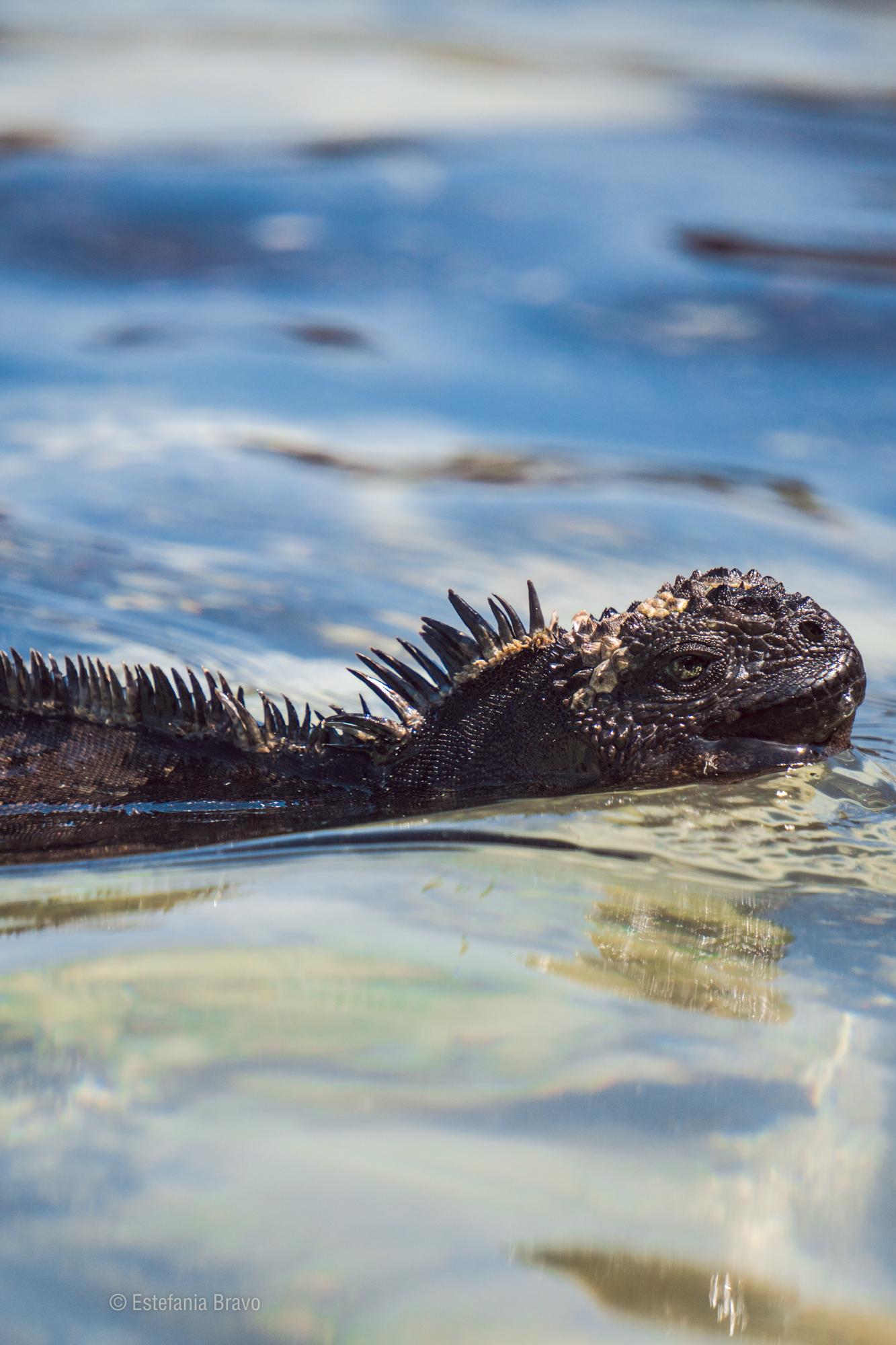
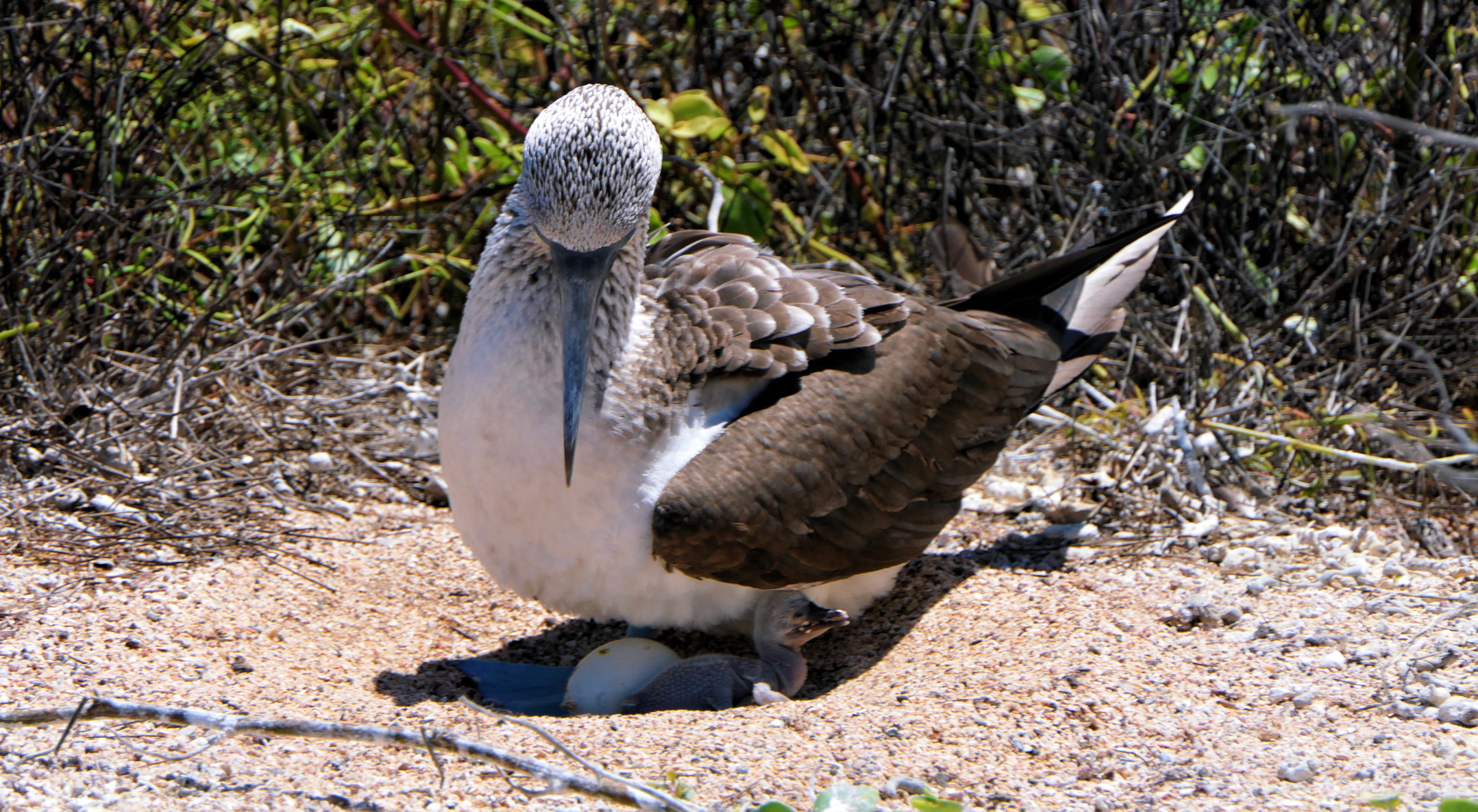
Galapagos tours without snorkeling deliver exceptional value by focusing on the archipelago's terrestrial wonders—giant tortoises roaming highland reserves, marine iguanas basking on volcanic shores, and blue-footed boobies nesting along coastal trails. The 200 USD conservation entrance fee grants access to protected visitor sites across multiple islands, where endemic species show minimal fear of humans due to centuries of isolation. Land-based itineraries like the Giant Tortoises & Lava Tunnels excursion or multi-island adventures reveal dramatic lava formations, collapsed craters, and highland ecosystems unavailable to water-focused trips. While snorkeling showcases underwater biodiversity, dry-land encounters with Galapagos wildlife remain unmatched—you'll walk among species found nowhere else on Earth. The investment pays off for photographers, naturalists, and travelers prioritizing close-range animal observations over marine activities. Budget-conscious visitors can maximize value through full-day island tours that combine multiple ecosystems, spreading the entrance cost across richer wildlife exposure than shorter excursions provide.
Bottom line: Land-focused galapagos tours without snorkeling tours justify the conservation fee through irreplaceable access to the world's most approachable endemic wildlife and volcanic terrain.
Land-based exploration offers more flexibility and comfort, while Galapagos tours without snorkeling provide deeper engagement with the unique fauna of the archipelago. They complement each other; most visitors who do both call land-based exploration the more accessible option.
|
Top pick Galapagos tours without snorkeling |
Land-based exploration | |
|---|---|---|
| Primary focus | Wildlife observation | Island town culture |
| Physical intensity | Low to moderate | Low |
| Required gear | Hiking shoes | Walking attire |
| Conservation fee | 200 USD | 200 USD |
| Interaction style | Guided nature walks | Independent sightseeing |
| Best arrival window | 06:00–09:00 | 06:00–09:00 |
| Availability | Daily | Daily |
| See tickets & prices |
Verdict: Choose the galapagos tours without snorkeling tour if you prioritize expert-led biological insights, whereas land-based travel is ideal for those seeking personal time with Galapagos landmarks and local amenities.
Hand-picked experiences loved by thousands of travelers
9 hours
Free Cancellation
Circle the entire island by boat, snorkeling with sharks and turtles at three stunning locations
5 days
Free Cancellation
Explore three iconic Galapagos islands with snorkeling, wildlife encounters, and pristine beaches over five unforgettable days
2.5 hours
Free Cancellation
Snorkel with sea lions, spot Galápagos penguins, and explore volcanic formations on this half-day adventure.
4 hours
Free Cancellation
Journey through misty volcanic terrain to meet ancient tortoises in their cloud forest home
4 hours
Free Cancellation
Explore a freshwater crater lake, meet giant tortoises, and unwind on a pristine Pacific beach
4 hours
Free Cancellation
Explore volcanic origins, hike through dry forest spotting seabirds, and watch sea lions at sunset
4 hours
Free Cancellation
Half-day speedboat adventure exploring volcanic coves, snorkeling spots, and wildlife havens around Santa Cruz
3 hours
Free Cancellation
Navigate open waters, spot marine wildlife, and swim in a cliff-carved oasis on this half-day Galápagos excursion.
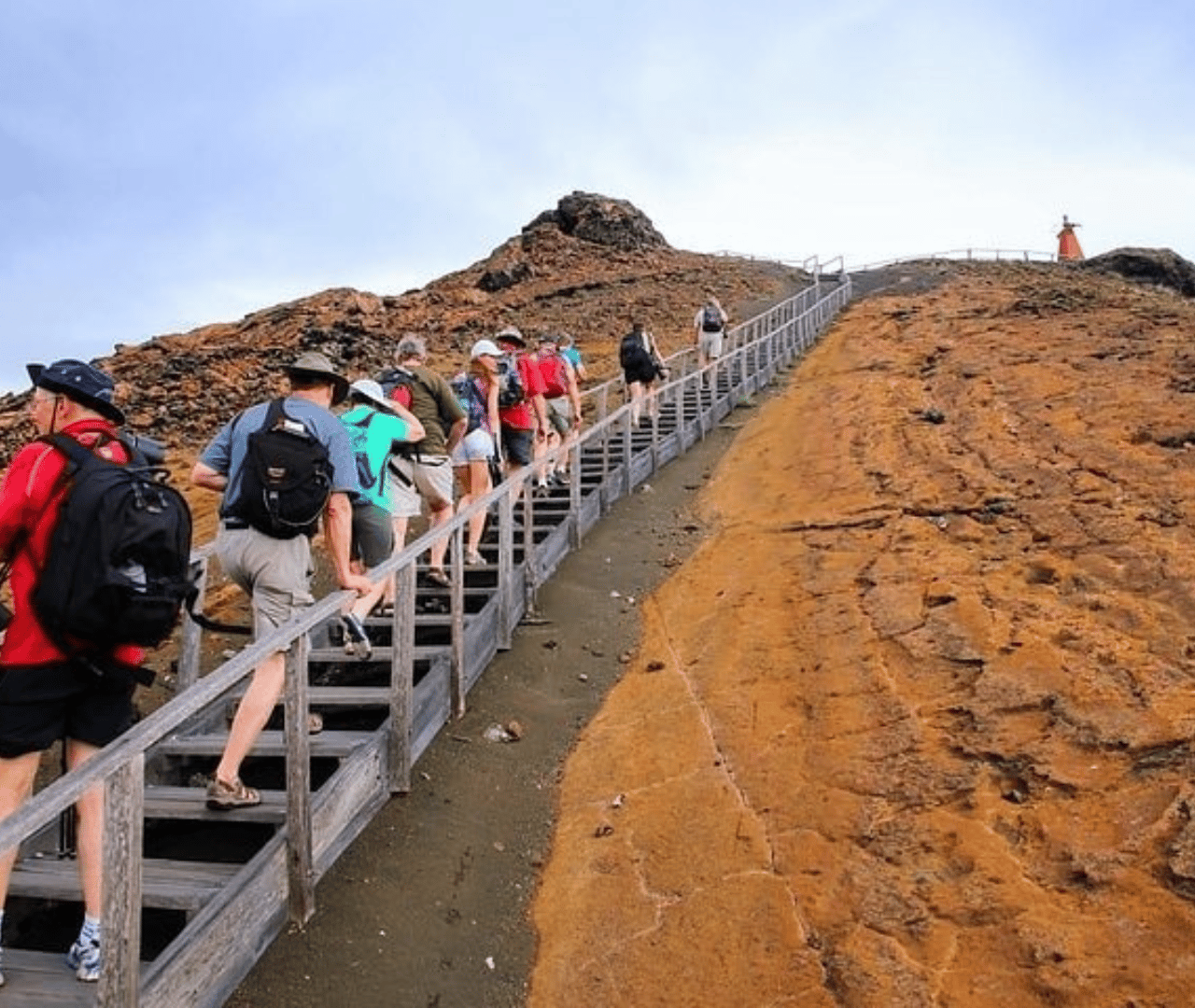
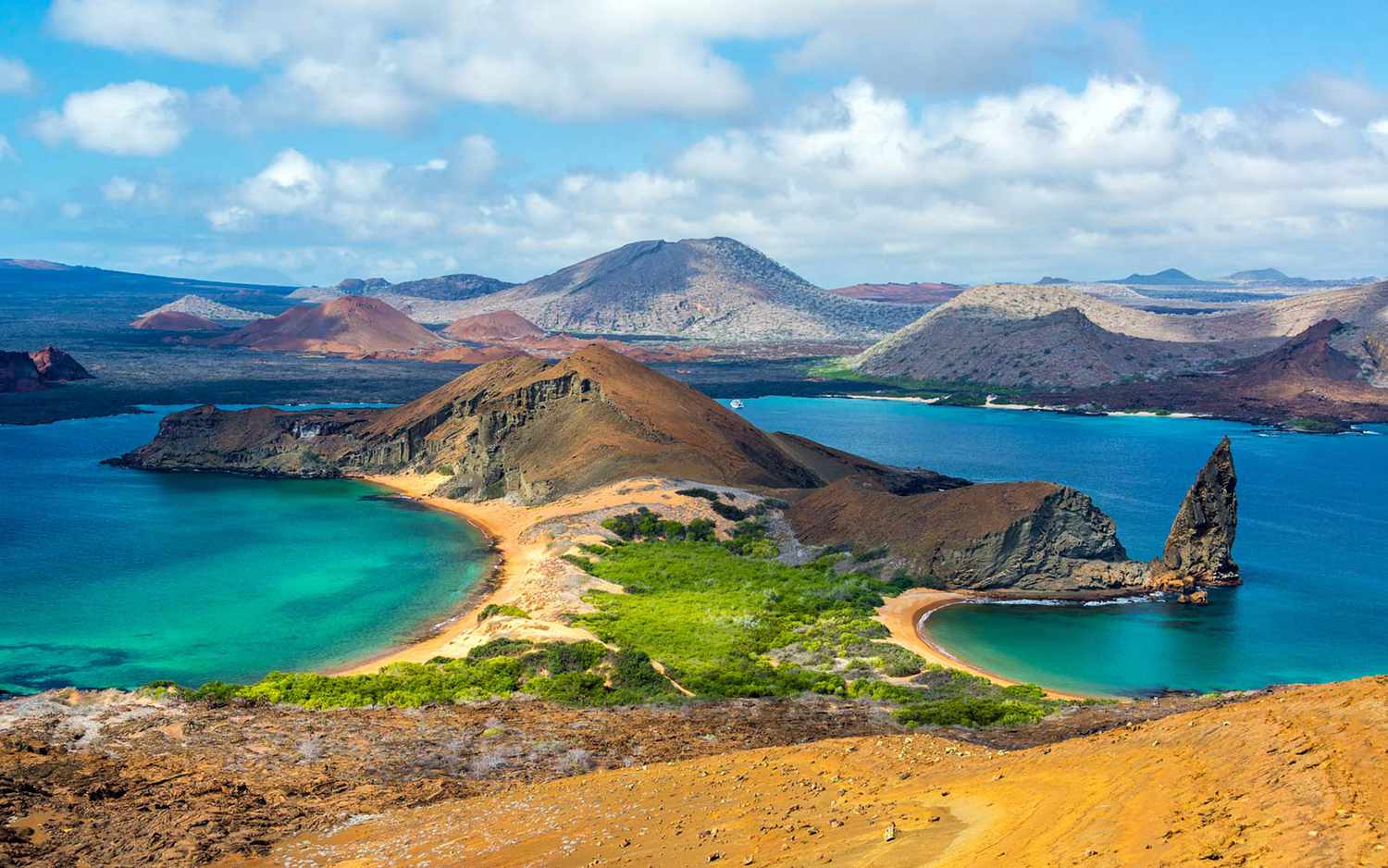
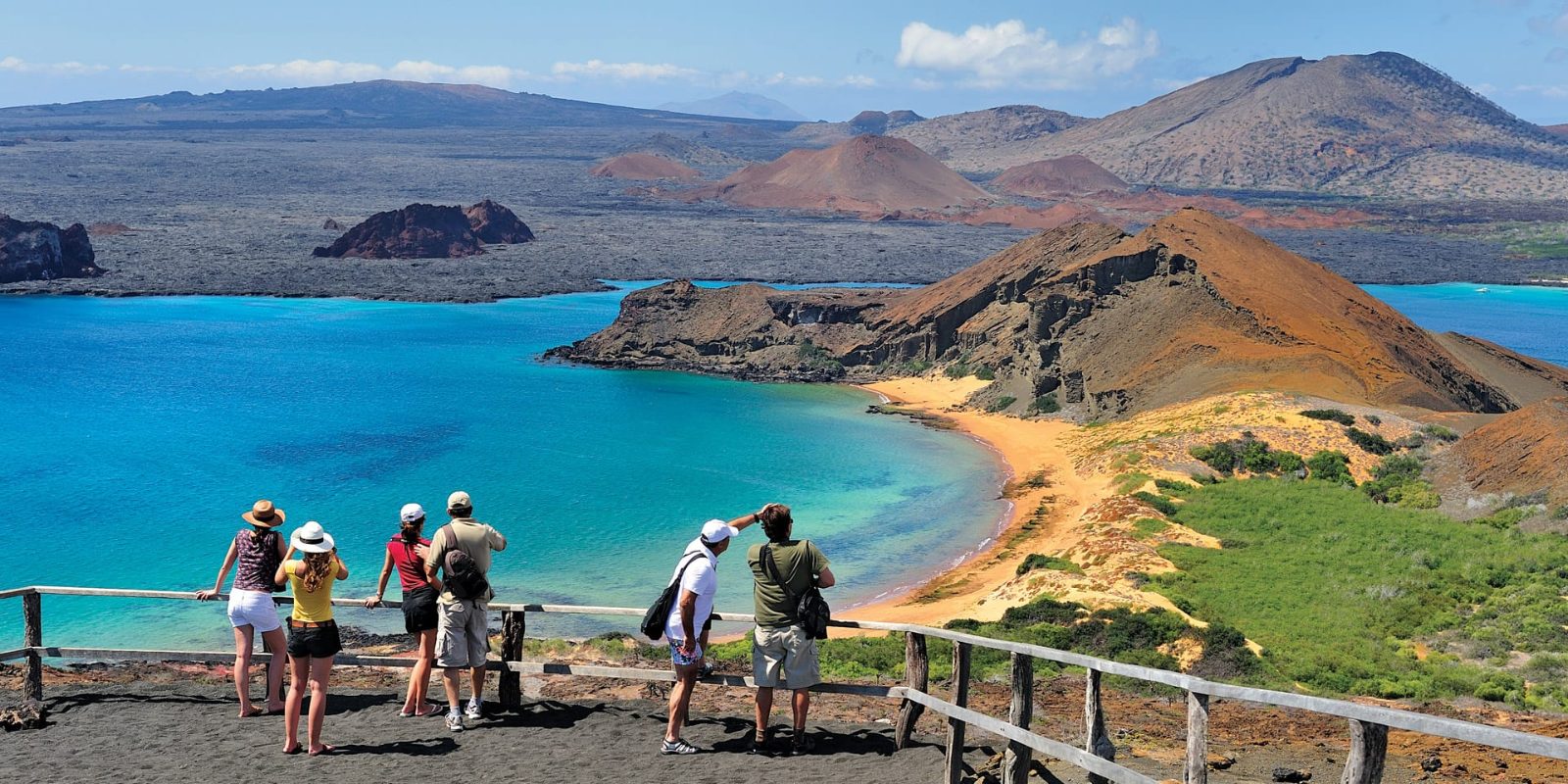
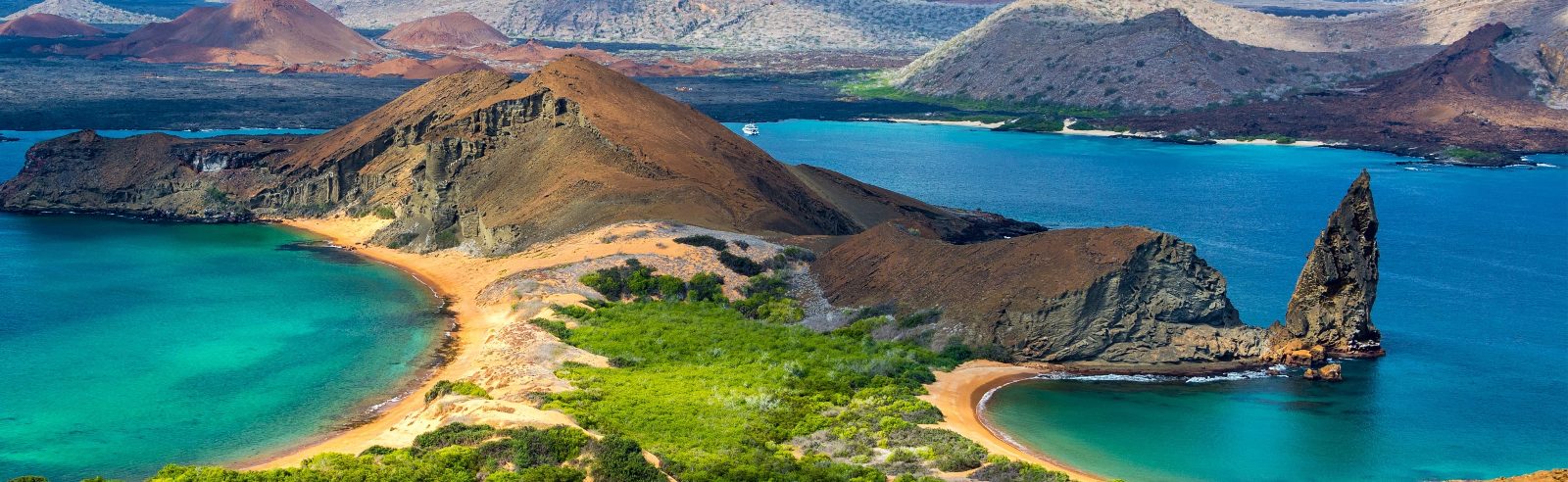
You step off the speedboat at Bartolomé's wooden dock and follow the boardwalk across a rust-colored tuff landscape. The summit trail climbs 372 steps—guides pause every fifty meters to explain parasitic cinder cones and the absence of soil on recent lava.
At the top, Pinnacle Rock punctuates the bay below, and Santiago's black lava fields stretch west. You descend and transfer to Sullivan Bay, where you walk a loop trail over ropy pahoehoe—your boots crunching on volcanic glass fragments. A lava lizard scurries across the frozen surface.
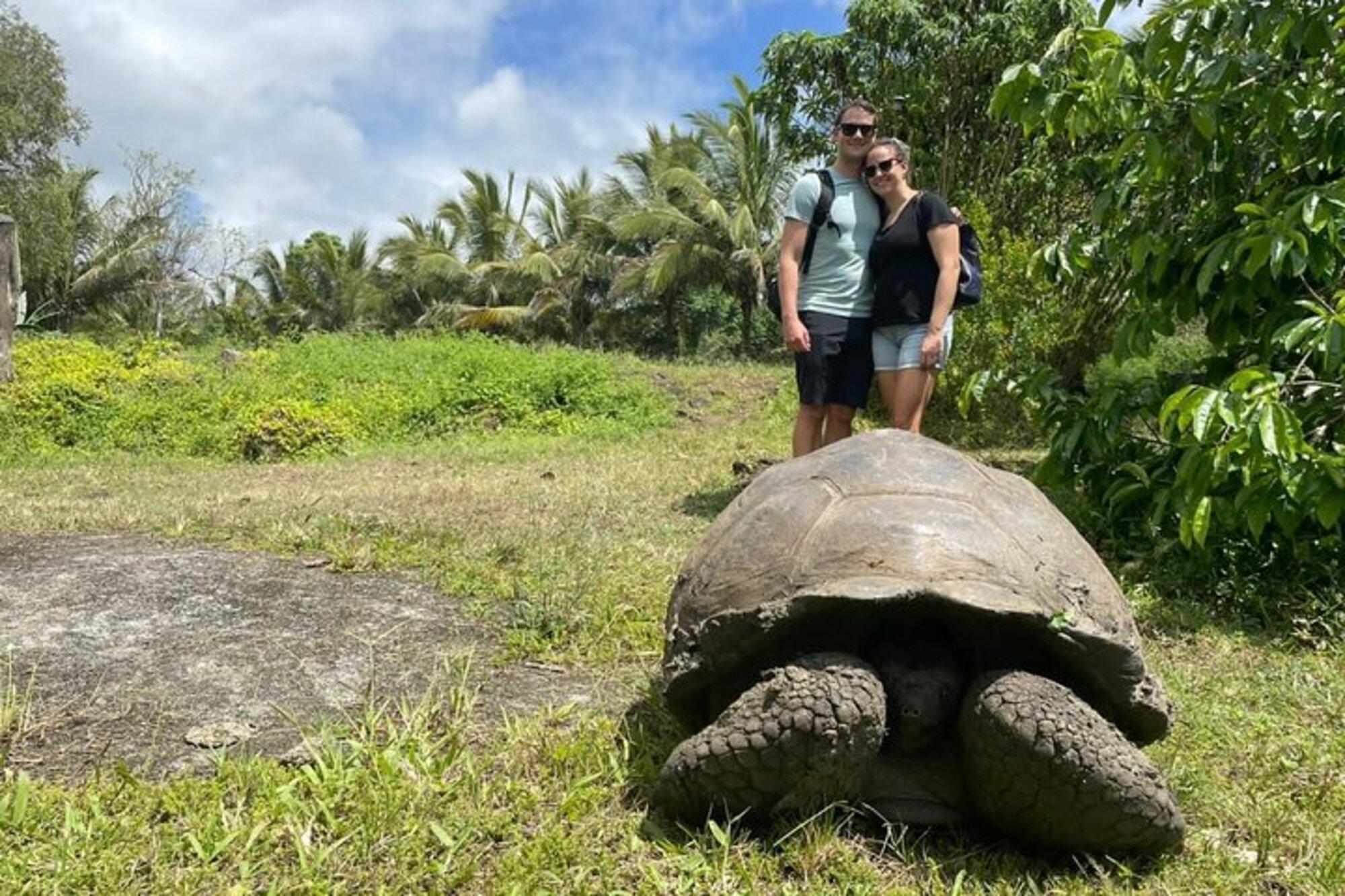
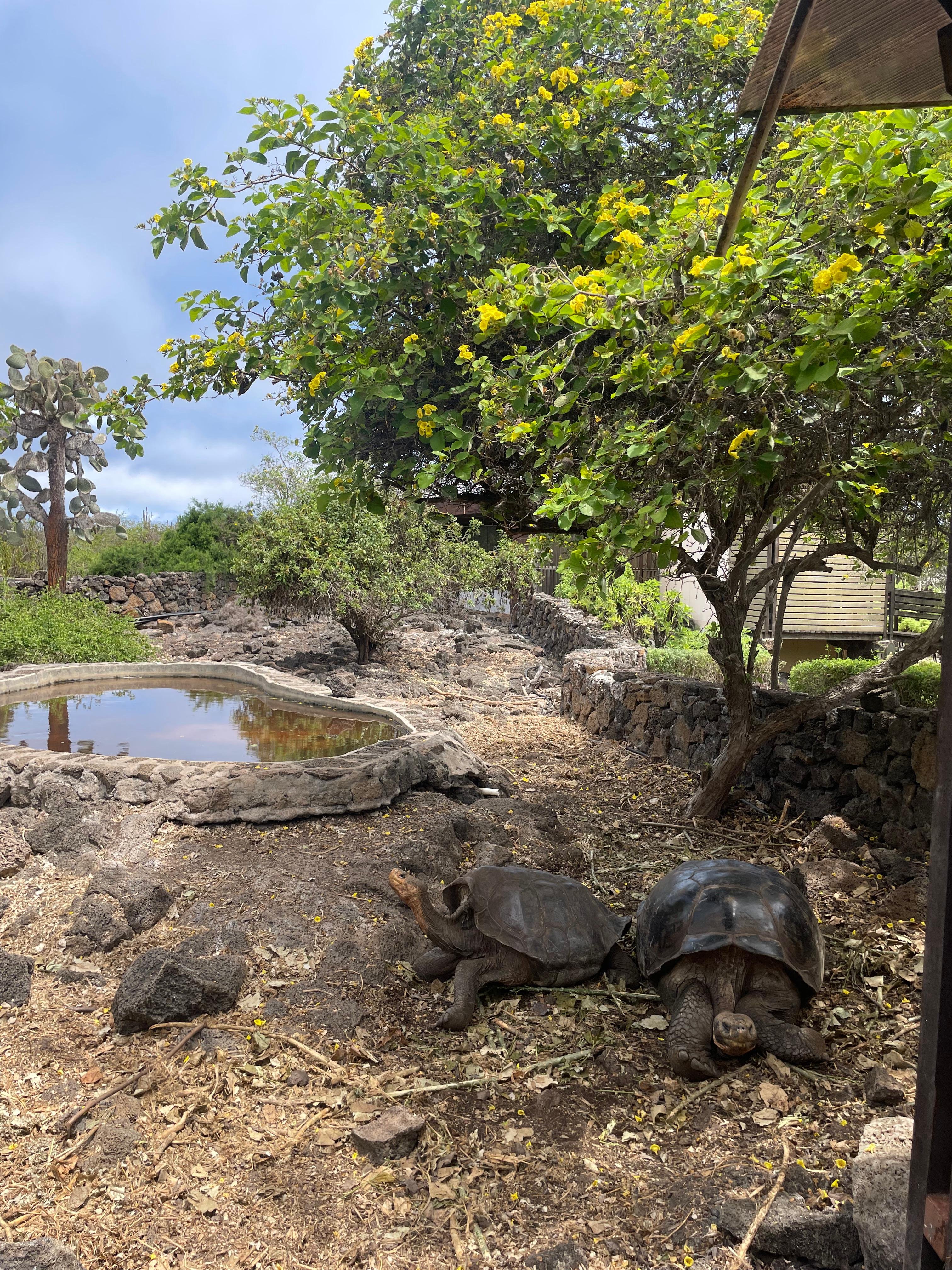
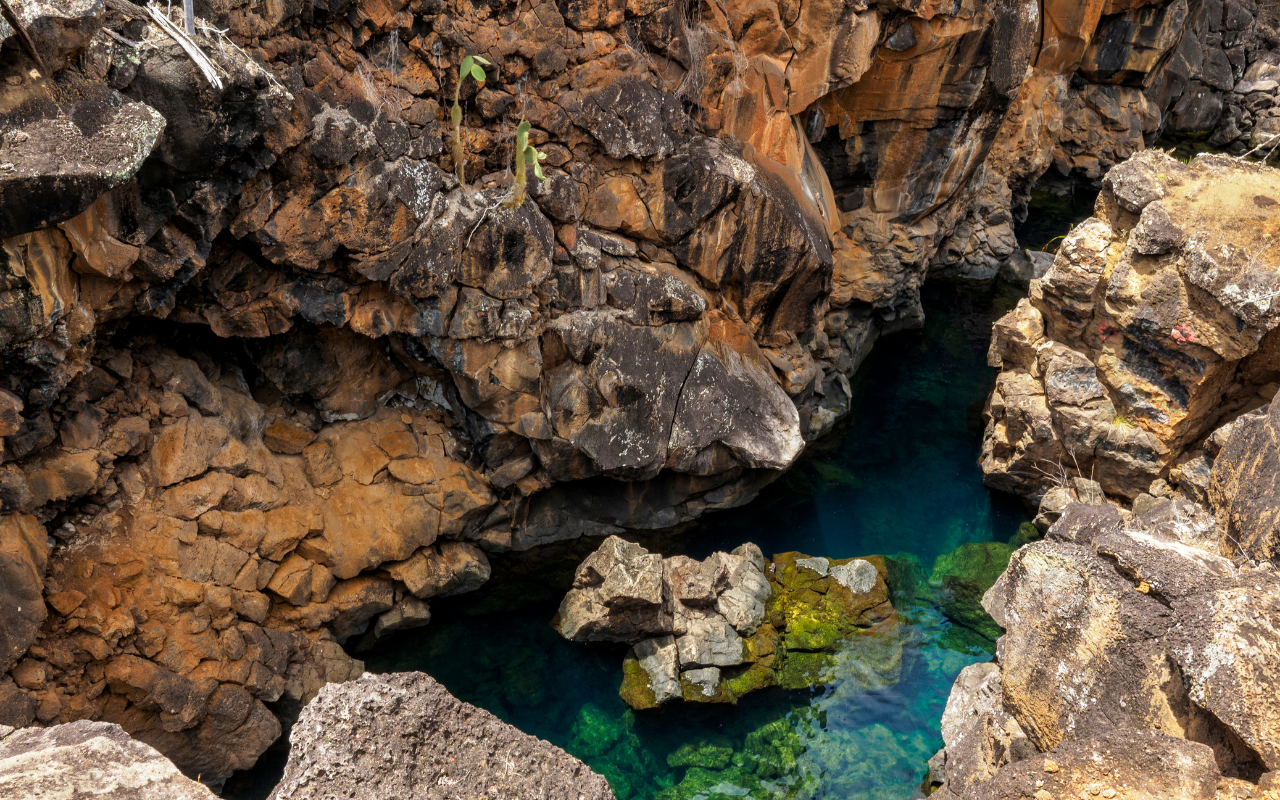
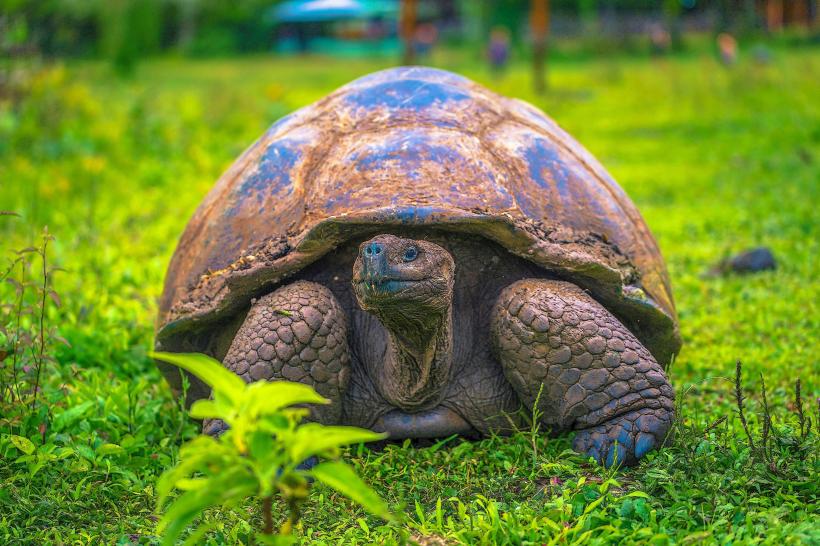
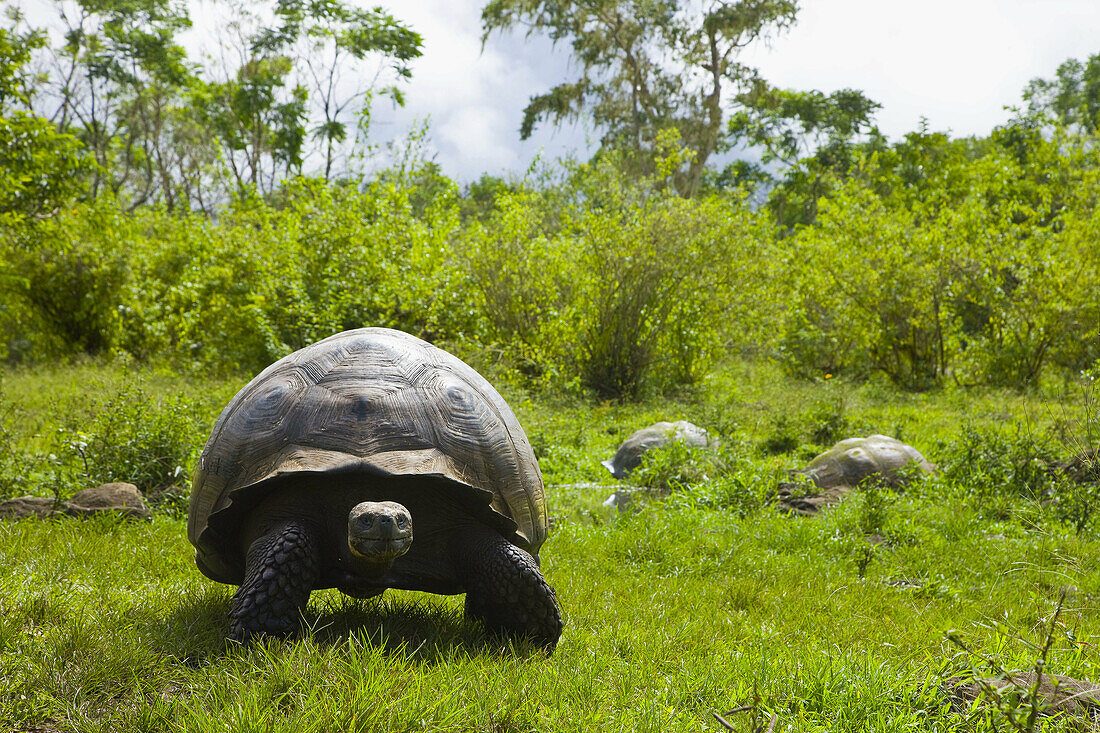
On Santa Cruz, the highland road passes through agricultural zones before entering mist forest. You walk a dirt path into Los Gemelos, peering over the crater's vegetated rim. Vermilion flycatchers dart between branches. At a tortoise reserve, you approach a basking Chelonoidis—its domed shell scarred by decades—within two meters, as park rules allow. The giant tortoise tour includes a walk through scalesia groves and a stop at a lava tunnel, where you descend into a fifty-meter passage formed by cooling basalt. The air drops ten degrees; ferns cling to the tunnel mouth.
All the details about your upcoming adventure in one place
The Galapagos archipelago rises from the Pacific in thirteen principal islands and over a hundred islets, each shaped by volcanic calderas that erupted between three and five million years ago.
While most visitors associate the islands with underwater biodiversity, the terrestrial ecosystem—giant tortoise reserves, highland scalesia forests, lava tube networks, and volcanic craters—offers encounters with endemic species found nowhere else on Earth. Charles Darwin's 1835 visit centered on terrestrial observations: finch beak variations across islands, mockingbird subspecies distribution, and tortoise shell morphology differences that informed his theory of natural selection. The archipelago's dry and transition zones host over two hundred endemic plant species, while the highlands sustain microclimates where daisy trees and ferns thrive in mist-fed canopies.
Galapagos tours without snorkeling focus on volcanic landforms and wildlife viewing along designated trails within the National Park's nine-thousand-hectare terrestrial protected area. Bartolomé Island's 114-meter summit trail ascends wooden staircases past pahoehoe lava flows and tuff formations, culminating in views of Pinnacle Rock—a volcanic spatter cone eroded by centuries of wave action. Los Gemelos, twin collapse craters near Santa Cruz's agricultural zone, drop thirty meters into forested sinkholes where vermilion flycatchers and short-eared owls nest. Sullivan Bay on Santiago preserves a rope lava field from an 1897 eruption, its glossy black surface still largely uncolonized by pioneer plants. The tortoise reserves on Santa Cruz and Isabela shelter populations of Chelonoidis subspecies; some individuals exceed two hundred kilograms and live past one hundred years. Endemic land iguanas—yellow-scaled Conolophus—bask on lava rubble and feed on Opuntia cactus pads.
Multi-island land-based itineraries link highland reserves, volcanic visitor sites, and coastal boardwalks via inter-island speedboats and internal flights. Isabela's Sierra Negra volcano holds the archipelago's largest basaltic shield caldera—ten kilometers in diameter—with fumaroles still venting sulfur dioxide along its northern rim. Tintorera Islet's lava shoreline hosts Galapagos penguins and marine iguanas, visible from an elevated wooden path. San Cristóbal's interpretation center traces human settlement from whalers to contemporary conservation programs. Current regulations limit group sizes to sixteen visitors per guide and mandate two-meter distancing from wildlife, preserving the behavioral naturalness that made Darwin's observations possible.

Darwin's 1835 visit centered on terrestrial observations: finch beak variations, mockingbird subspecies, and tortoise shell differences that informed natural selection.
Wear sturdy, closed-toe walking shoes to navigate volcanic terrain during your land-based Galapagos tours without snorkeling. Long-sleeved shirts and lightweight trousers are recommended to protect against sun exposure and insects.
Keep all personal belongings in a small, lightweight daypack while participating in Galapagos tours without snorkeling. All visitors must clear security checks at the Galapagos National Park entry points.
Photography is permitted, but using a flash is prohibited to protect wildlife during Galapagos tours without snorkeling. Maintain a respectful distance of at least two meters from all animals at all times.
Families are welcome on Galapagos tours without snorkeling, as these routes emphasize geological features and bird observation. Children must be supervised at all times due to the proximity of endemic wildlife.
Many land-based Galapagos tours without snorkeling utilize uneven volcanic paths that may be challenging for guests with limited mobility. Accessible viewing platforms are available at select visitor sites.
Carry sufficient water in a reusable bottle, as there are no shops once you enter the protected areas on Galapagos tours without snorkeling. Food consumption is only allowed in designated visitor areas.
Opening Hours
00:00–23:59
Address
Galapagos National Park, Galapagos Province, Ecuador
Entry Requirements
200 USD conservation entrance fee for foreign adults
Best Arrival Window
06:00–09:00
Storage
Not available at visitor sites
Navigation
Follow marked trail guides
Boat · 02:00 · 30 USD
Inter-island ferries connect major towns daily
Taxi · 00:30 · 10 USD
Available in main towns for trailhead transport
Full refunds are typically provided for cancellations made at least 72 hours prior to the scheduled departure of Galapagos tours without snorkeling. The 200 USD conservation entrance fee is non-refundable per Galapagos National Park policy.
Recommended time
Half a day
Planning your galapagos tours without snorkeling allows for a relaxed pace focused on endemic wildlife and volcanic geology. We recommend an early start during the best arrival window of 06:00–09:00 to avoid midday heat and peak tour group congestion at popular visitor sites. Those booking galapagos tours without snorkeling tours often find that mid-morning arrival provides the best balance of natural light for observation. Always check your galapagos tours without snorkeling tickets to ensure your transit between landing sites is accounted for within your half-day schedule.
Crowd levels through the day
Weather · crowds · average price — dots go green to amber to red as each metric rises.
Mild temperatures make this a great time for Galapagos tours without snorkeling as the trails are dry. Wildlife, particularly giant tortoises, remain active.
Reserve your spot on Galapagos tours without snorkeling well in advance as daily visitor numbers are strictly managed. Early booking ensures availability for popular peak dates.
The Galapagos archipelago emerged from volcanic activity roughly four million years ago, forging a laboratory of evolution six hundred miles off Ecuador's coast. Charles Darwin's 1835 visit aboard HMS Beagle established the scientific foundation that would transform these islands into a conservation icon. His observations of finch beak variation and giant tortoise shell differences directly informed *On the Origin of Species*, published in 1859. For decades afterward, the islands remained sparsely inhabited, visited primarily by whalers and collectors who decimated tortoise populations for meat and oil. Ecuador declared the archipelago a national park in 1959, coinciding with the Darwin centenary. The Galapagos National Park Service instituted strict visitor site protocols, designating sixty coastal and highland zones accessible only with certified naturalist guides. Land-based galapagos tours without snorkeling emerged as the primary model, funneling tourists along marked trails to protect fragile ecosystems. The Charles Darwin Research Station opened on Santa Cruz in 1964, initiating captive breeding programs that rescued several tortoise subspecies from extinction. UNESCO inscribed the islands as a World Heritage Site in 1978, recognizing both geological significance and endemic species concentration. Tourism infrastructure expanded through the 1980s and 1990s, introducing highland agriculture visits and lava tunnel explorations to diversify dry-land itineraries. The 1998 El Niño event triggered mass seabird mortality and vegetation collapse, exposing ecosystem fragility. Authorities responded by capping annual visitor numbers and mandating bilingual naturalist guides for all galapagos tours without snorkeling tours. The 2007 UNESCO endangered listing, prompted by invasive species and overfishing, forced Ecuador to implement biosecurity screening at Baltra and San Cristóbal airports. Today, the park authority restricts each visitor site to specific hours, rotates trail access seasonally, and requires the 200 USD conservation fee that funds ongoing habitat restoration and endemic species monitoring across the archipelago's thirteen major islands.
Volcanic activity forms the Galapagos archipelago through repeated underwater eruptions.
Charles Darwin visits aboard HMS Beagle, documenting finch and tortoise variation that informs evolutionary theory.
Ecuador establishes Galapagos National Park, restricting access to designated visitor sites with mandatory guides.
Charles Darwin Research Station opens on Santa Cruz, launching captive tortoise breeding programs.
UNESCO inscribes the islands as a World Heritage Site for geological and biological significance.
El Niño event causes widespread seabird mortality, prompting stricter visitor quotas and site rotation policies.
UNESCO lists Galapagos as endangered due to invasive species and tourism pressure, triggering biosecurity protocols.
Park authority enforces timed entry windows and seasonal trail closures to minimize human impact on wildlife.
Position your camera at the low-angle muddy trail edges to capture giant tortoises in their natural habitat. These terrestrial paths offer perfect framing for land-based wildlife photography during galapagos tours without snorkeling.
Planning galapagos tours without snorkeling allows families to focus on the unique terrestrial wildlife and volcanic landscapes of these islands. Whether you choose land-based galapagos tours without snorkeling tours or private day excursions, the archipelago offers educational opportunities for travelers of all ages.
Most hiking trails consist of uneven volcanic rock or sandy paths, making strollers impractical for these excursions. A sturdy child carrier is the most effective way to navigate terrain during your galapagos tours without snorkeling tour.
Children aged six and older typically gain the most from guided nature walks and wildlife observation. These educational experiences often require longer periods of walking that may challenge younger toddlers.
Public restrooms are limited at remote visitor sites, so plan accordingly before departing from your accommodation. Ensure you carry sufficient water and sun protection for every family member as shade is rare throughout the Galapagos National Park.
To minimize fatigue, we recommend the best arrival window of 06:00–09:00 to complete your explorations before the heat intensifies. Booking these galapagos tours without snorkeling tickets in advance helps secure shorter, more manageable routes for families.
Pack sufficient snacks and lunch supplies, as food services are rarely available near the wildlife sites. Many operators can provide kid-friendly meals if requested during your initial reservation process.
Travelers seeking galapagos tours without snorkeling often find the best dining options within short walking distances of the main piers in Puerto Ayora and Puerto Baquerizo Moreno. While land-based excursions do not typically provide meals, these local hubs offer various cafes and bistros to enjoy before or after your naturalist itinerary.
This popular spot offers locally sourced Galapagos coffee and light pastries, making it a reliable stop for those preparing for a land-based galapagos tours without snorkeling tour.
Everything you need to know for your journey
Yes, Galapagos tours without snorkeling operate daily throughout the year. The islands are open from 00:00–23:59 daily.
The conservation entrance fee is 200 USD for foreign adults, per person.
Due to visitor capacity limits, we recommend booking your Galapagos tours without snorkeling well in advance. Last-minute availability is rare during peak seasons.
Yes, many Galapagos tours without snorkeling involve gentle walking paths, though terrain can be uneven. Please confirm physical requirements with your tour operator.
We recommend the best arrival window of 06:00–09:00 to avoid midday heat and congestion.
Yes, photography is allowed on all Galapagos tours without snorkeling tours, provided you do not use flash and maintain distance from wildlife.
Yes, families are welcome on Galapagos tours without snorkeling, provided children remain on marked trails. The educational focus makes it ideal for youth.
Most Galapagos tours without snorkeling do not include full meals, so please bring sufficient snacks and water. Consumption is limited to designated areas.
Bring sunscreen, a hat, a reusable water bottle, and a camera for your Galapagos tours without snorkeling tickets excursion.
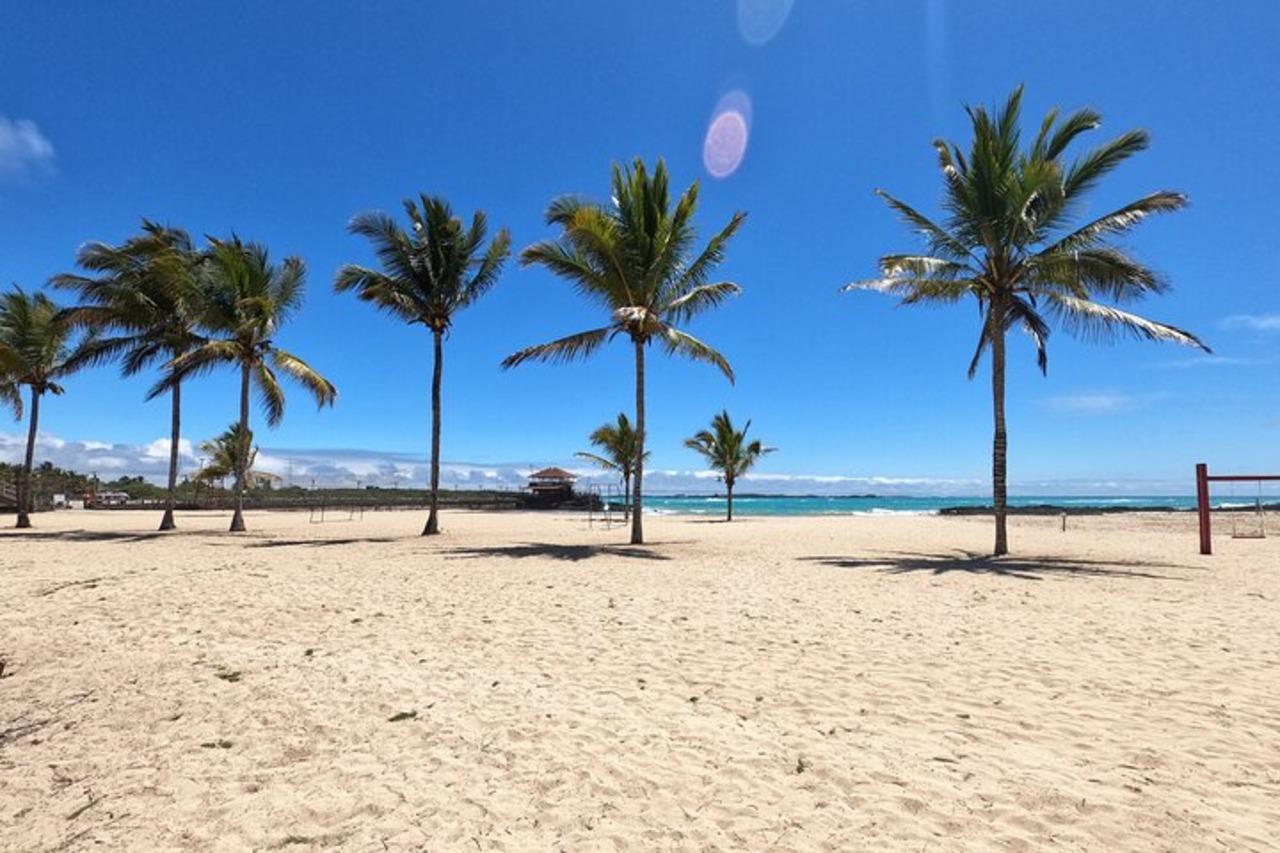
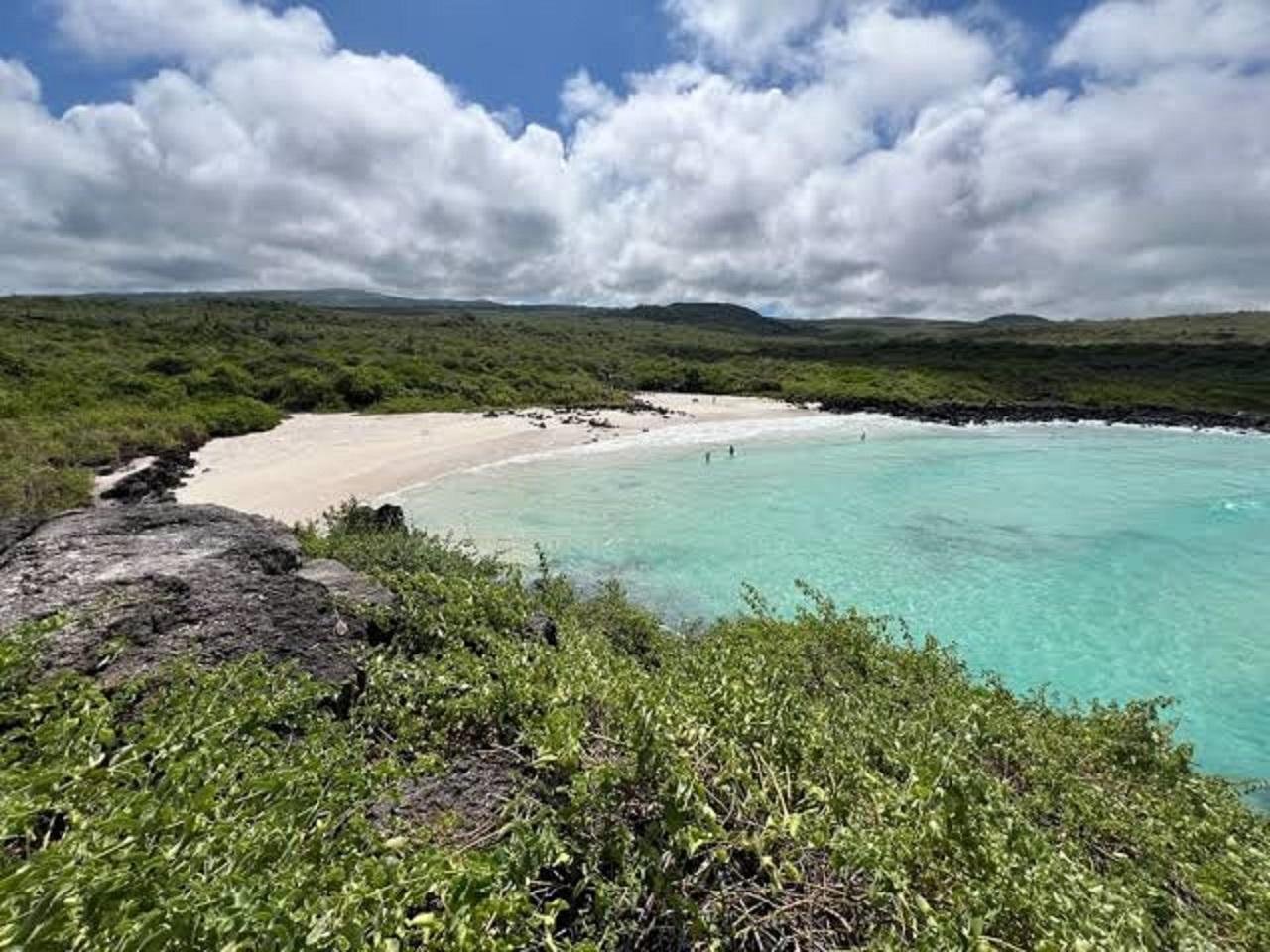
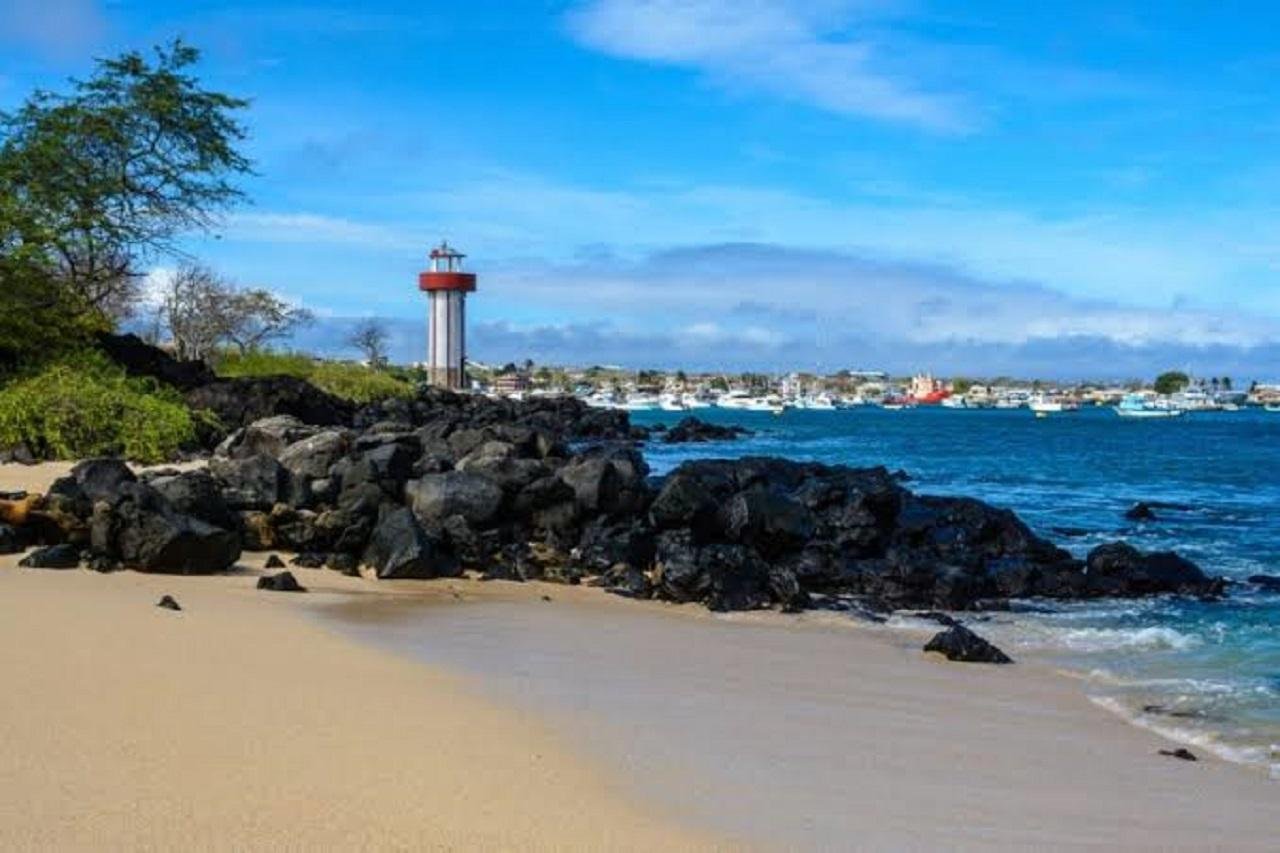
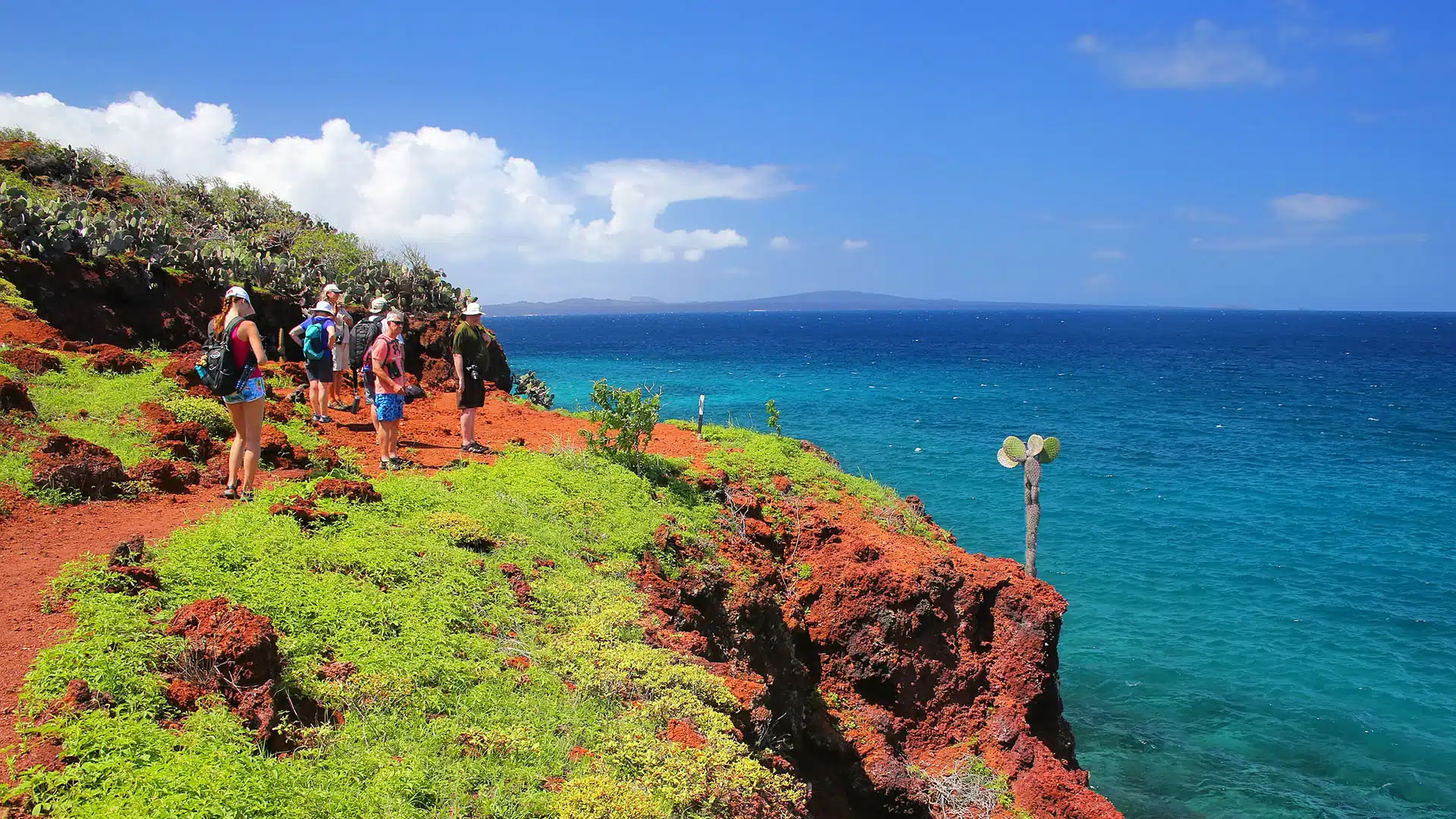
A scenic coastal walk leading to a pristine white sand beach for bird watching. It features diverse flora and fauna without requiring water entry.
Eco-conscious resort located near the coast.
Join thousands of happy travelers who have discovered this incredible experience
Book Your Experience Now