

Quick answer
Yes, you can snorkel in the Galápagos. The Galápagos National Park permits snorkeling at designated visitor sites within the marine reserve, accessible through licensed tour operators or with naturalist guides. Independent shore snorkeling is restricted to a handful of beaches; most sites require boat access and advance coordination. All snorkelers pay the 200 USD conservation fee at arrival and must follow the park's no-touch, no-feed protocols.
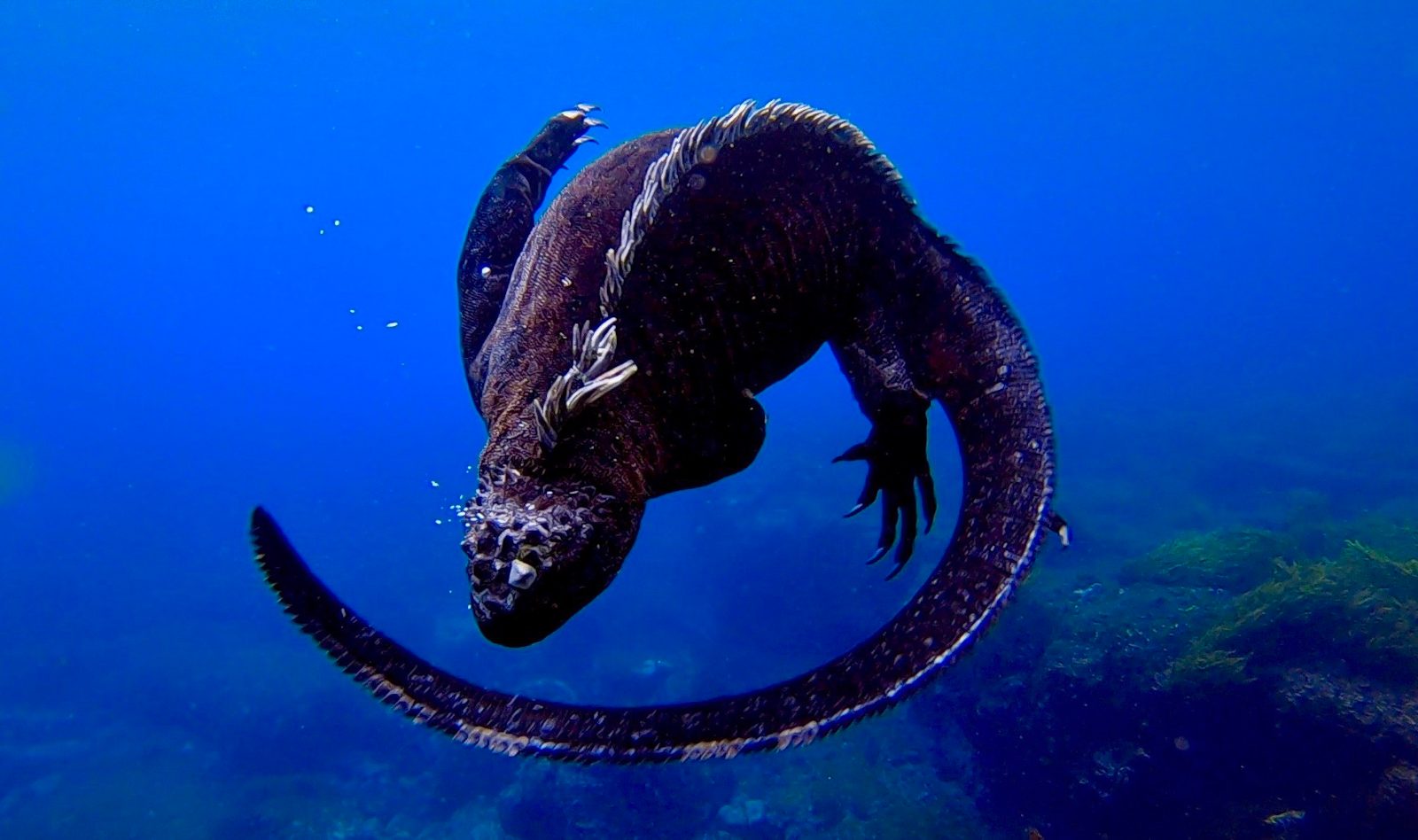
Ninety-seven percent of the Galápagos land mass and the surrounding waters belong to the National Park, a UNESCO World Heritage Marine Reserve since 2001. The archipelago's 19 islands and dozens of islets harbor more than 50 designated snorkeling sites, but not all are open to the public at any given time. The park rotates access to protect nesting colonies and spawning grounds, so the list of available sites shifts with ecological monitoring data. Snorkeling in the Galápagos differs from recreational reef diving elsewhere because the marine reserve operates under visitor quotas and zoning rules. Sites like Devil's Crown off Floreana and Kicker Rock near San Cristóbal require you to arrive with a certified naturalist guide—a park regulation, not a tour-company upsell. These guides enforce the two-meter distance rule between snorkelers and wildlife, a measure that keeps marine iguanas, sea lions, and Galápagos penguins undisturbed. Shore-access snorkeling exists at La Lobería on San Cristóbal and Tortuga Bay on Santa Cruz, but even there, park rangers patrol for compliance. The 200 USD conservation fee covers all terrestrial and marine sites for the duration of your stay, whether you snorkel once or daily. Payment is cash-only at the airport immigration desk in Baltra or San Cristóbal. The fee funds ranger salaries, species monitoring, and the patrol boats that enforce the reserve's no-take fishing zones. Separate from the entry fee, tour operators charge for boat transport, equipment rental, and guide services; those costs vary by island and season but are not set by the park itself. Water temperature ranges from 66°F in the cool Humboldt Current months (June through November) to 77°F during the warm season (December through May). Most snorkelers wear at least a 3mm wetsuit year-round; the park does not regulate thermal protection, but hypothermia curtails your time in the water faster than any rule. Visibility averages 30 to 50 feet in calm conditions, dropping during plankton blooms that coincide with nutrient upwellings—the same conditions that draw manta rays and whale sharks. The question of whether you can snorkel in the Galápagos is less about permission and more about structure. The park allows it, mandates how it happens, and limits where it occurs. If you arrive expecting open-access reef snorkeling, you will need to adjust. If you come prepared for guided, rotational access to some of the planet's most biodiverse marine ecosystems, the framework makes sense.
“The park rotates access to protect nesting colonies and spawning grounds, so the list of available sites shifts with ecological monitoring data.”
When Can You Snorkel in the Galapagos for Optimal Conditions?
Snorkeling is possible year-round, though conditions fluctuate based on the Humboldt Current. The period between December and May offers the warmest water, while June through November brings nutrient-rich, cooler conditions that attract larger marine life.
December–May
Moderate crowdsWarm, calm waters 74–79°F
Visibility is highest, and calmer seas facilitate easier entry and exit from boats.
June–November
Lower crowdsCooler, nutrient-rich waters 68–74°F
Upwelling increases marine activity; expect more active wildlife, particularly schools of fish and sea lions.
Weekday mornings
Low intra-day crowds—
Arriving at 06:00 minimizes group sizes and provides optimal water clarity before wind increases.
Verdict: For a balance of visibility and wildlife activity, the shoulder months of April or November provide reliable conditions.
Operating Hours When You Can Snorkel in the Galapagos
The Galapagos National Park operates daily to ensure consistent access for snorkeling and marine activities. Visitors are encouraged to plan their arrivals within the designated daylight window to maximize underwater visibility.
| Monday | 06:00–18:00 | |
|---|---|---|
| Tuesday | 06:00–18:00 | |
| Wednesday | 06:00–18:00 | |
| Thursday | 06:00–18:00 | |
| Friday | 06:00–18:00 | |
| Saturday | 06:00–18:00 | |
| Sunday | 06:00–18:00 |
Where Can You Snorkel in the Galapagos: Key Marine Sites
The Galapagos Islands offer diverse marine environments, each characterized by distinct topography and endemic wildlife populations. Visitors may access these designated snorkeling locations through authorized maritime excursions.
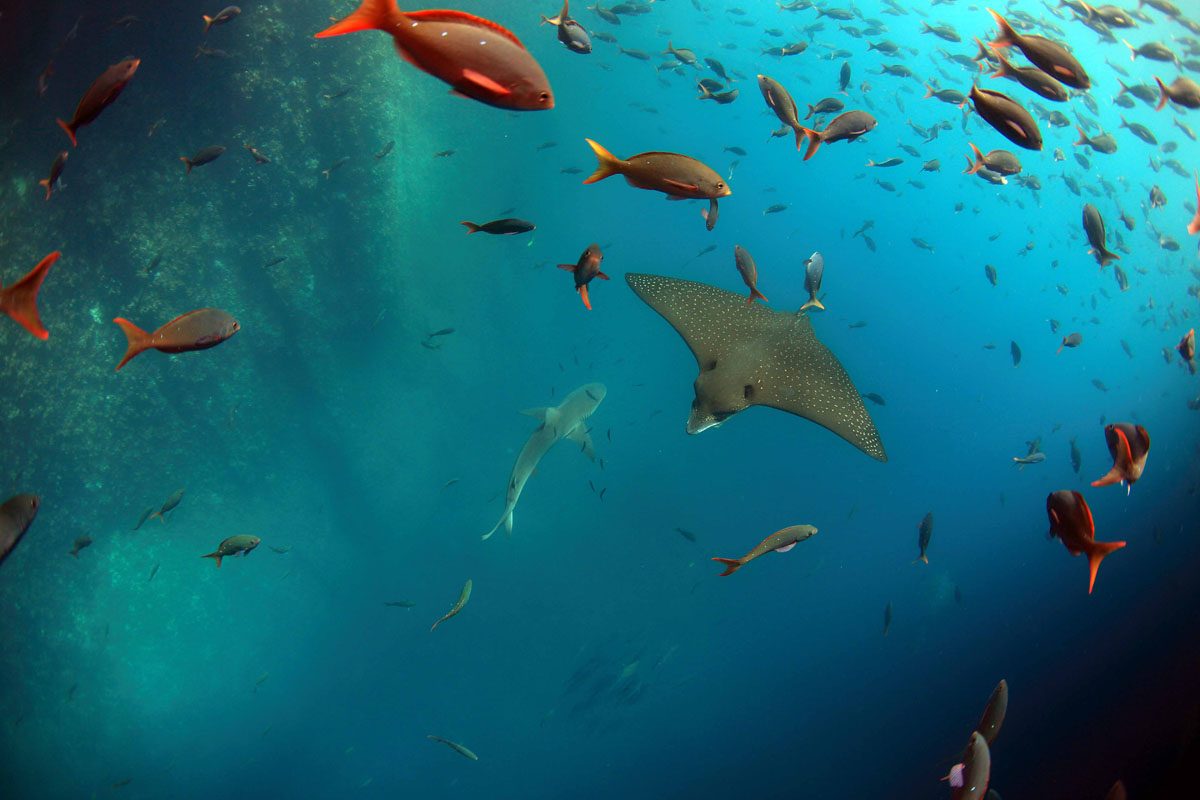
Kicker Rock
A vertical tuff cone rising from the ocean floor, this site provides opportunities to observe Galapagos sharks and eagle rays in deep channels.
Swim along the rock walls to spot sharks in deep water.
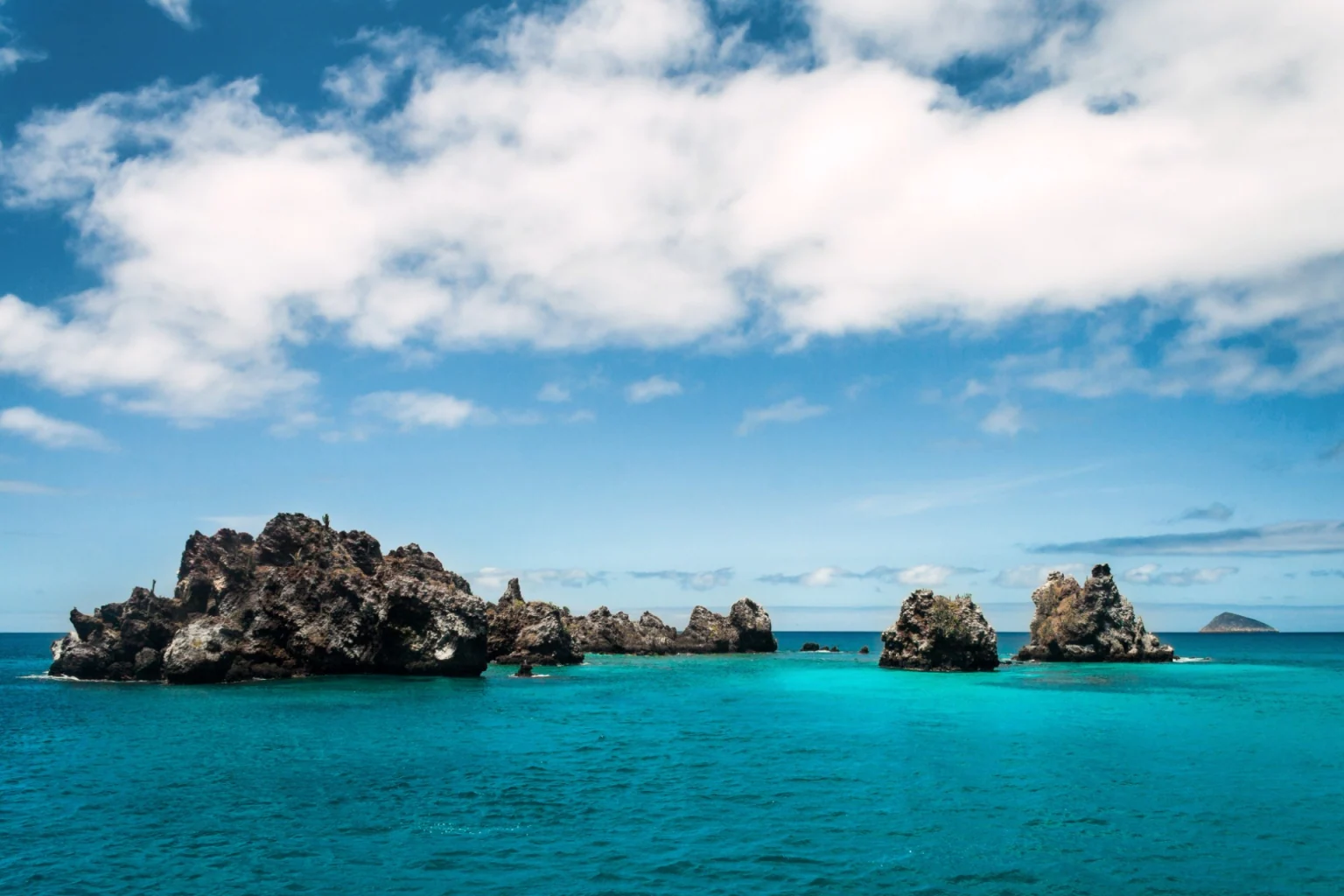
Devil's Crown
Located off Floreana Island, this sunken volcanic crater features a central lagoon inhabited by reef fish, sea turtles, and white-tip reef sharks.
Enter the center of the crater for high marine density.
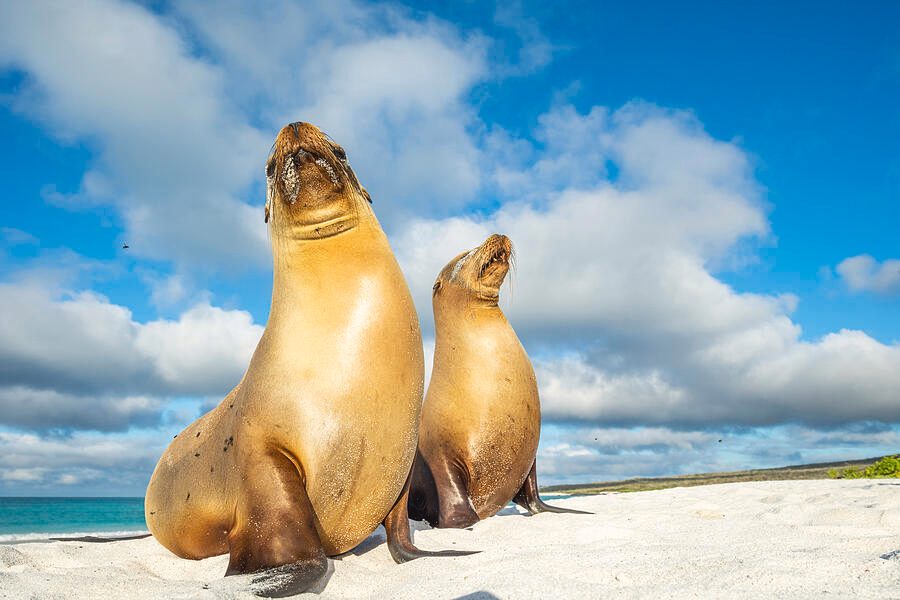
Gardner Bay
This site on Española Island features extensive white sand beaches that transition into shallow snorkeling waters frequented by playful sea lions.
Watch for young sea lions swimming near the shoreline.
Las Tintoreras
A series of small islets near Isabela Island, this area is known for calm, shallow channels where white-tip reef sharks rest during the day.
Look into crevices to see resting white-tip reef sharks.
Rules for When You Can Snorkel in the Galapagos
Galápagos National Park enforces strict regulations to protect its marine ecosystems and wildlife. All snorkeling must occur with authorized guides who ensure compliance with conservation protocols.
Do
- Maintain a minimum 2-meter distance from all marine life
- Follow your certified guide's instructions at all times
- Stay within designated snorkeling zones and marked boundaries
- Use reef-safe, biodegradable sunscreen before entering the water
- Report any wildlife distress or rule violations to park authorities
Don't
- Touch, chase, or feed any marine animals or birds
- Remove shells, rocks, or any natural materials from sites
- Wear gloves while snorkeling in protected areas
- Snorkel outside authorized tour groups or without a guide
- Use flash photography underwater near wildlife
Checklist for When You Can Snorkel in the Galapagos
Prepare these essentials before your Galapagos snorkeling trip to ensure smooth entry and compliance with park regulations.
-
Valid passport with six months validity — Required for entry into Ecuador and the Galapagos Islands.
-
Transit Control Card (TCT) from mainland Ecuador — Mandatory migration document obtained at Quito or Guayaquil airports before departure.
-
200 USD in cash for park entrance — Conservation fee payable only in cash upon arrival at the islands.
-
Book a certified naturalist guide in advance — All snorkeling activities in the Galapagos require an authorized guide by law.
-
Arrange inter-island transportation if visiting multiple sites — Boats and flights between islands require advance booking during peak seasons.
-
Confirm snorkeling gear with your tour operator — Most tours provide equipment, but verify mask fit and wetsuit availability beforehand.
Check availability
Frequently asked questions about snorkeling in the Galapagos
Everything you need to know about can you snorkel in the galapagos