7 hr
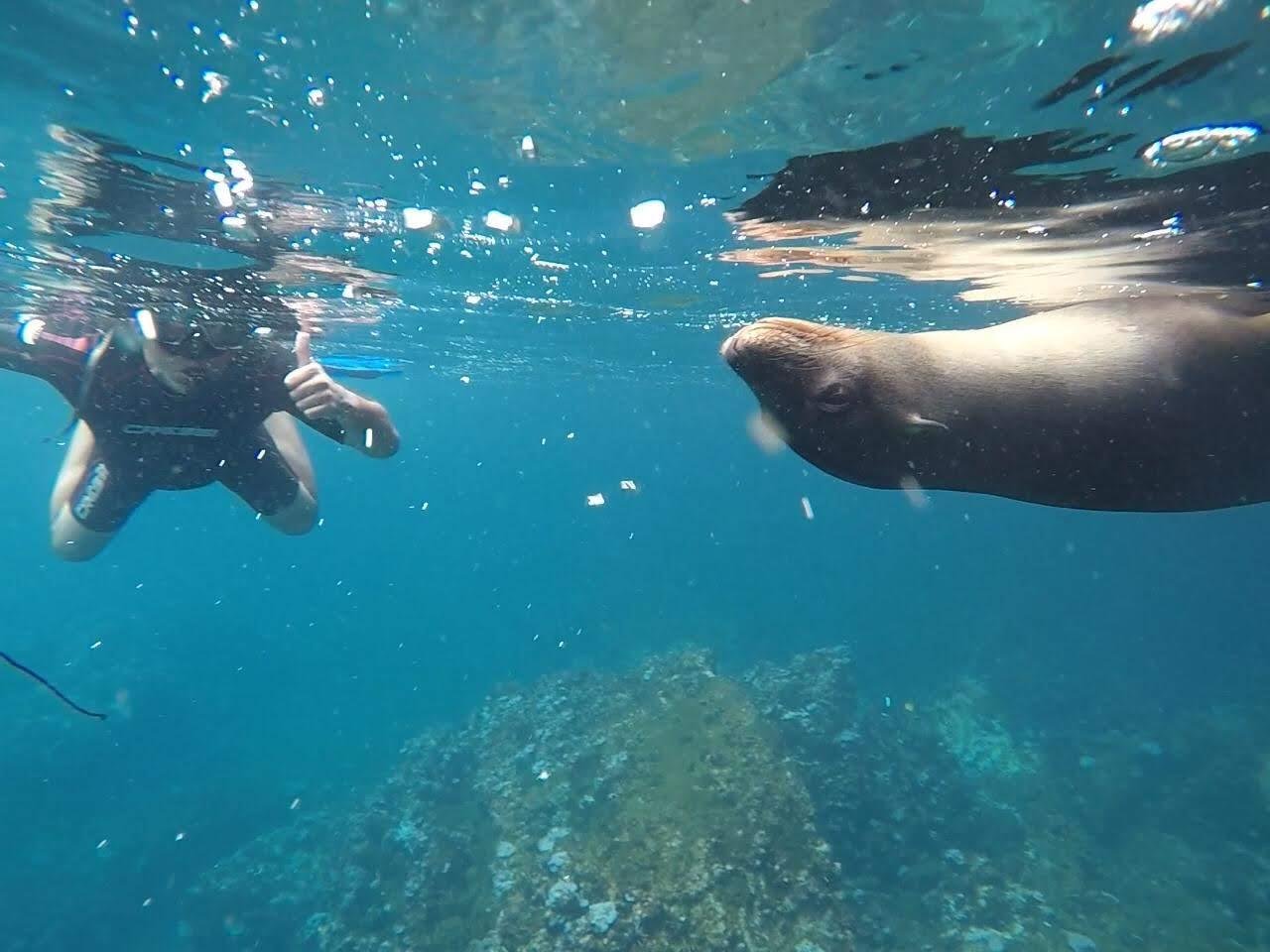
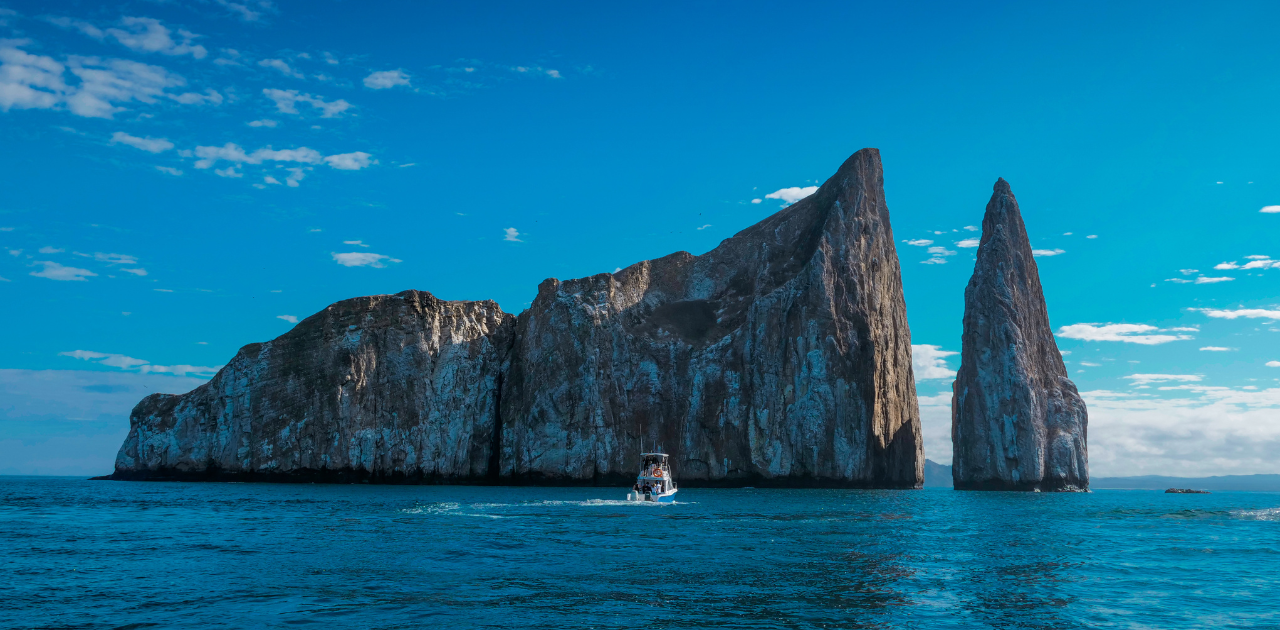
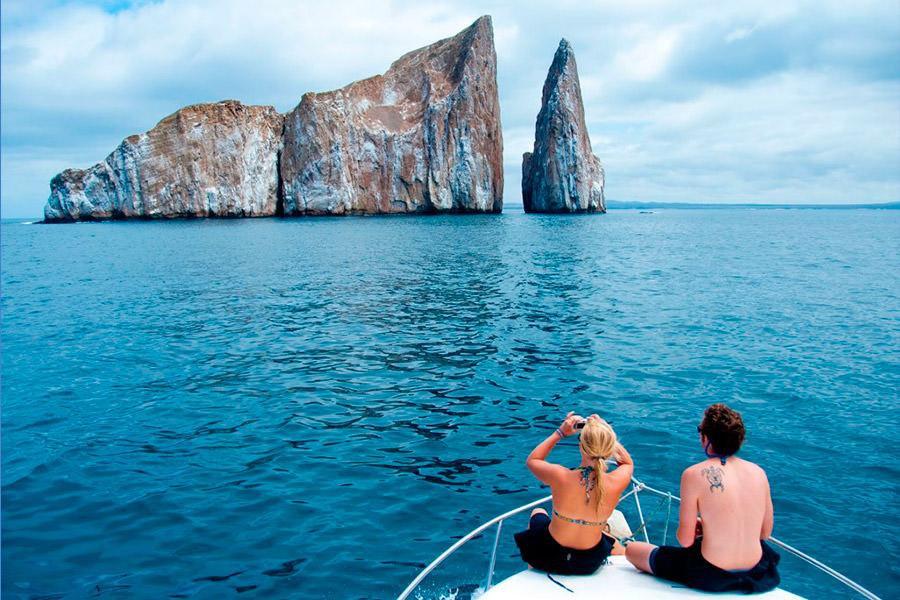
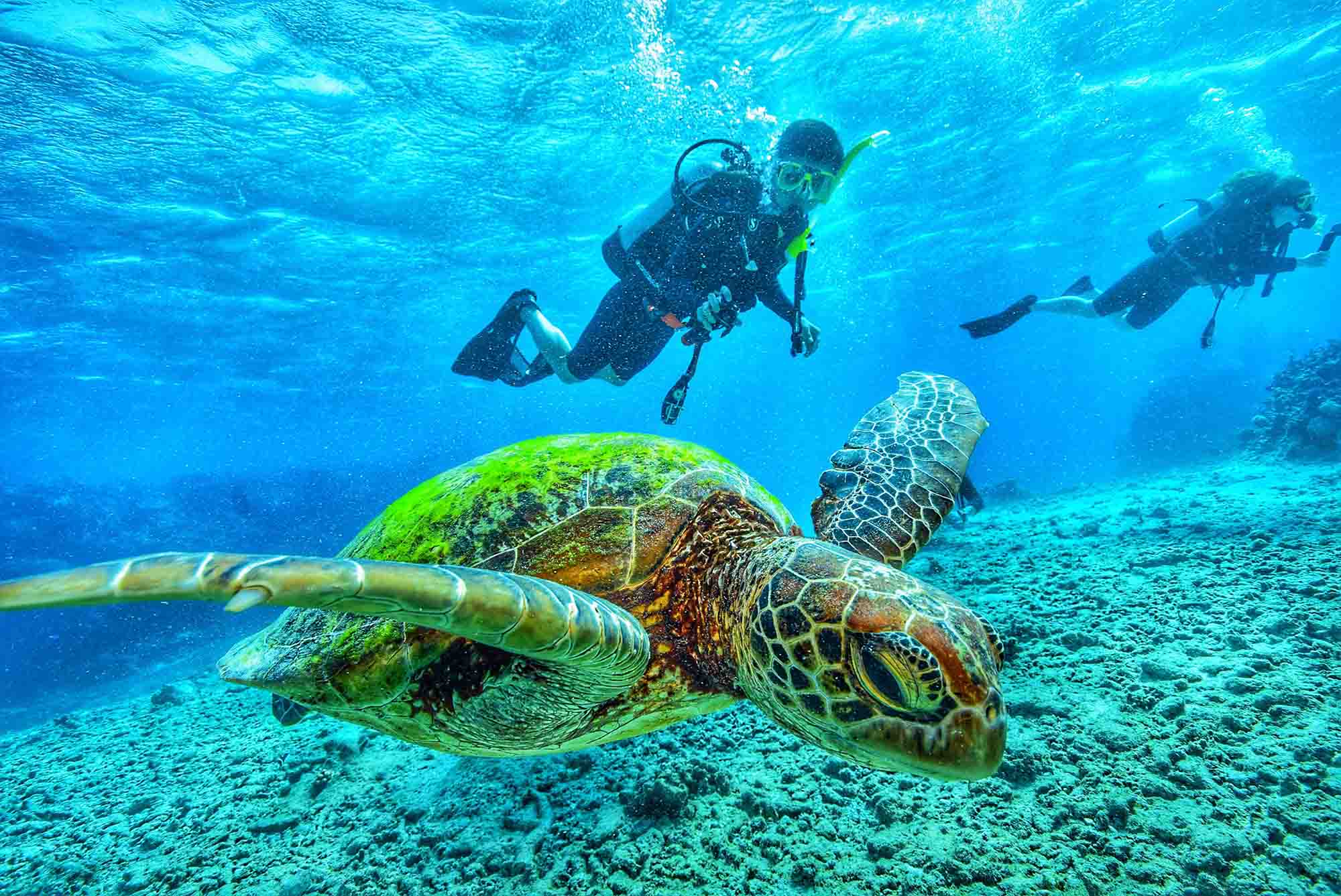
Kicker Rock Snorkeling & Beach Adventure
- Expert local guide
- Small group
- Skip-the-line access
- Free cancellation
Galapagos Diving Tours — Certified Scuba Expeditions
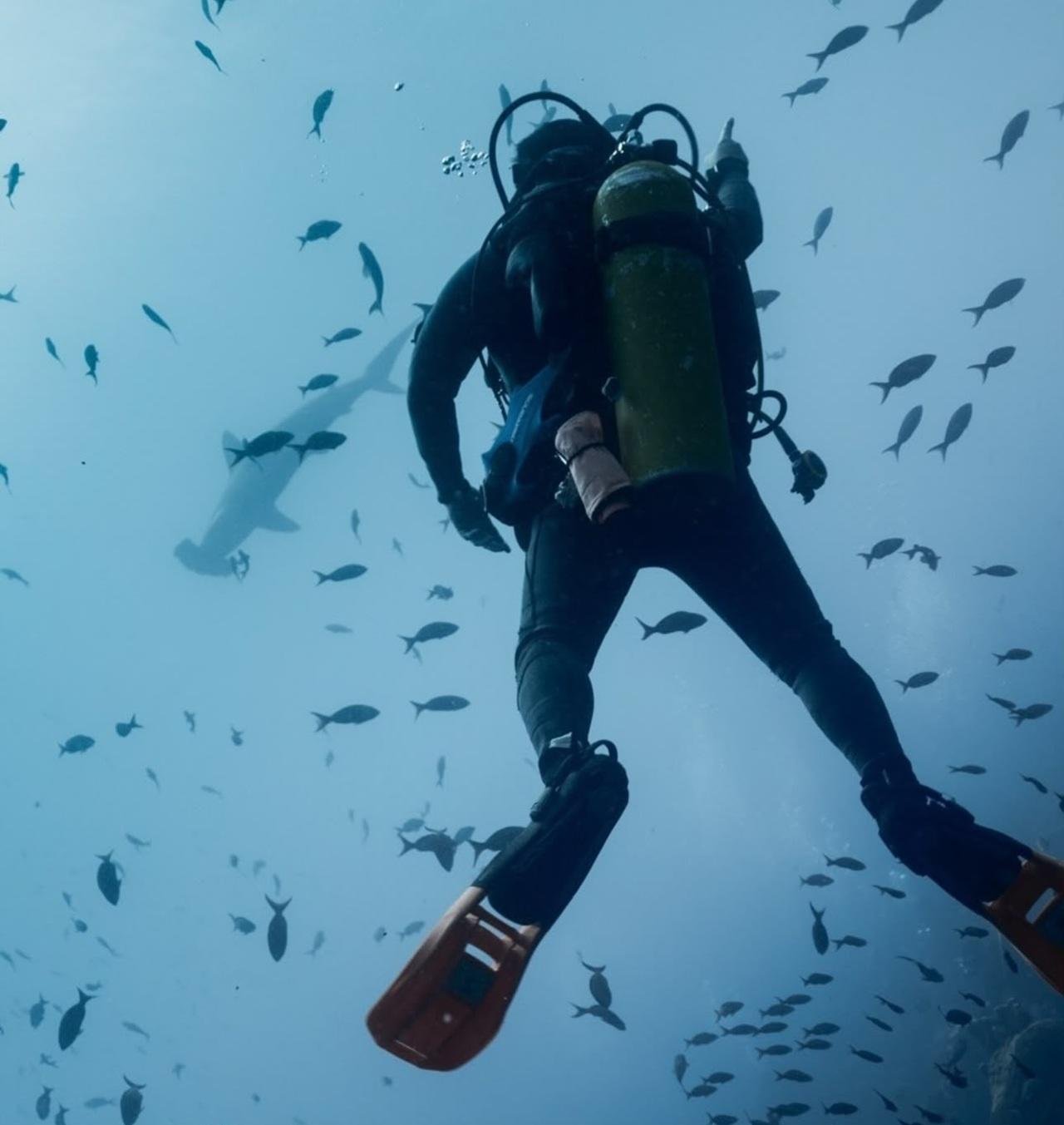
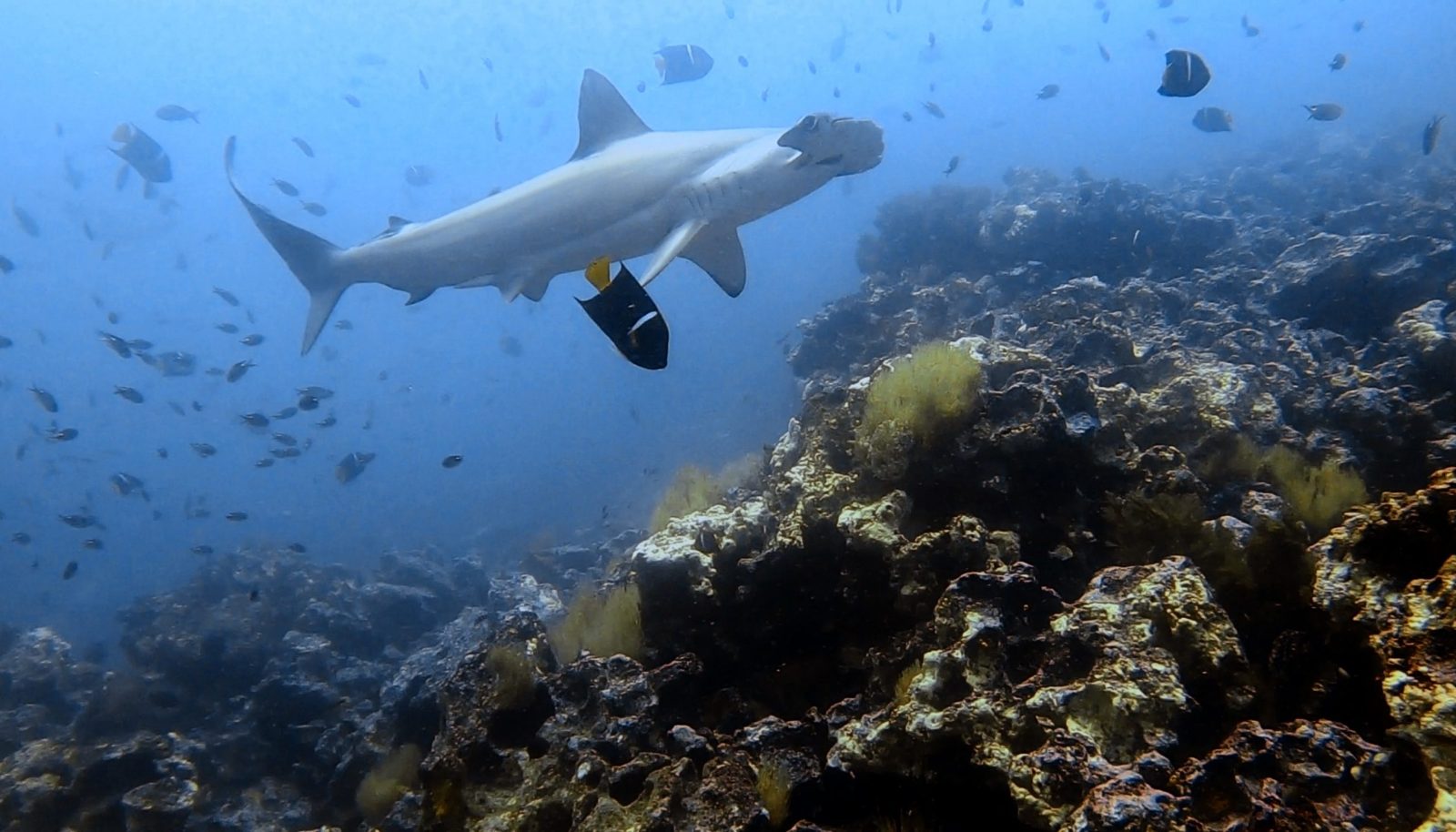
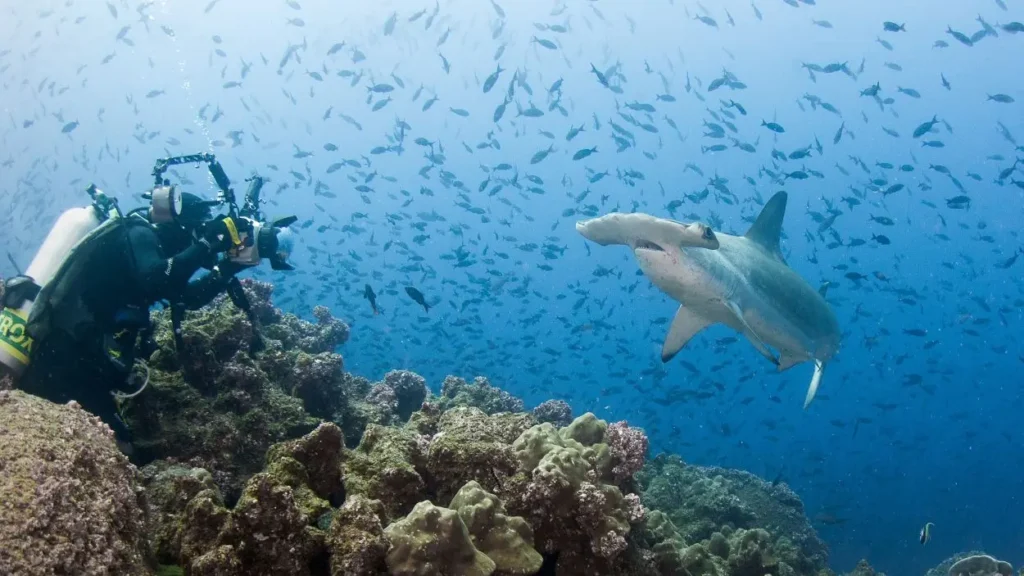
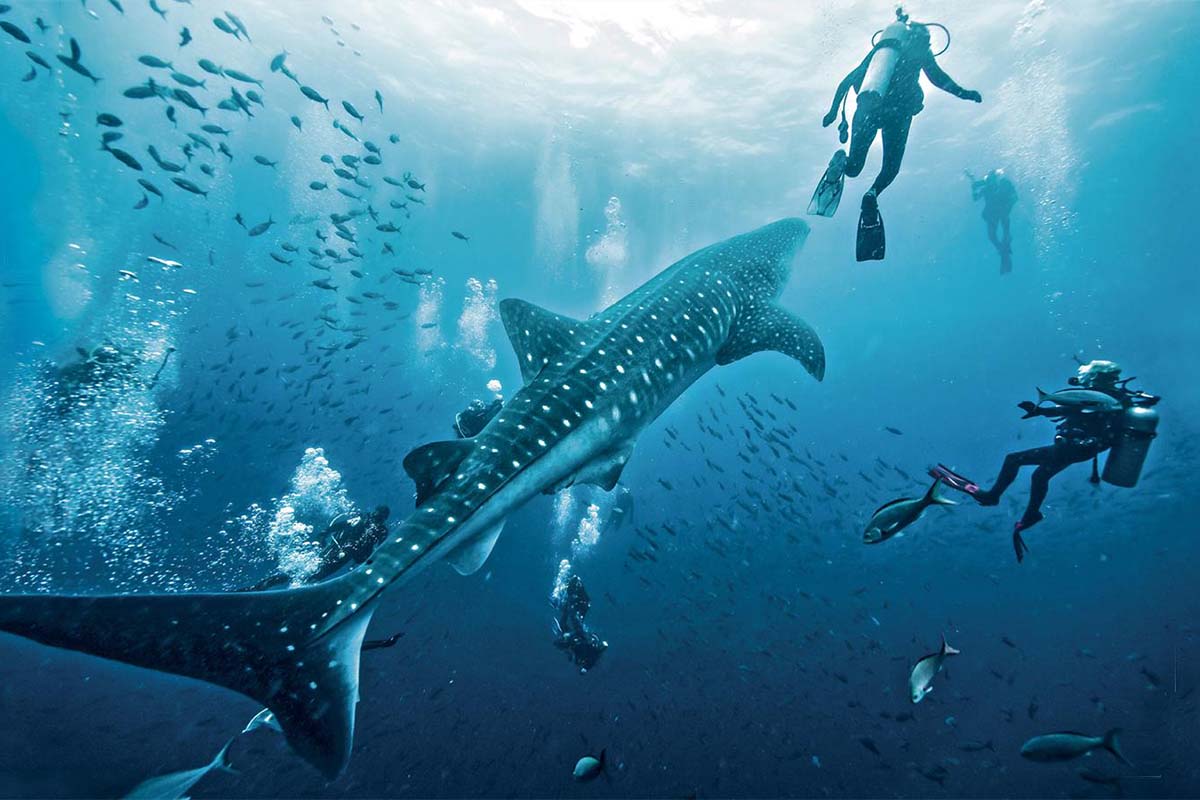
Wolf, Darwin, Gordon Rocks descents, where hammerheads school in the current
Compare fares, pick the fit — all bookings are mobile-voucher and eligible for free cancellation where shown.
7 hr
7 hr
10 hr
Choosing between snorkeling excursions and advanced scuba expeditions is the primary decision for visitors exploring galapagos diving tours. This official matrix compares these experiences to help you secure the right booking for your underwater marine reserve adventure.
|
Top pick Snorkeling Excursion Surface-level observation |
Scuba Diving Package Advanced bottom-time access | |
|---|---|---|
| Primary Activity | Surface swimming and observation | Deep-water exploration and buoyancy control |
| Experience Required | None | Certification required (Open Water+) |
| Environment Access | Shallow bays and coastal reefs | Deep walls, wrecks, and currents |
| Equipment | Mask, fins, and snorkel | Full scuba gear and tank |
| Best For | First-timers and families | Certified divers seeking megafauna |
| See tickets & prices |
Verdict: Whether you choose specialized galapagos diving tours tickets or casual snorkeling, always budget 200 USD for the mandatory conservation fee.
Worth it for dedicated divers seeking endemic marine life
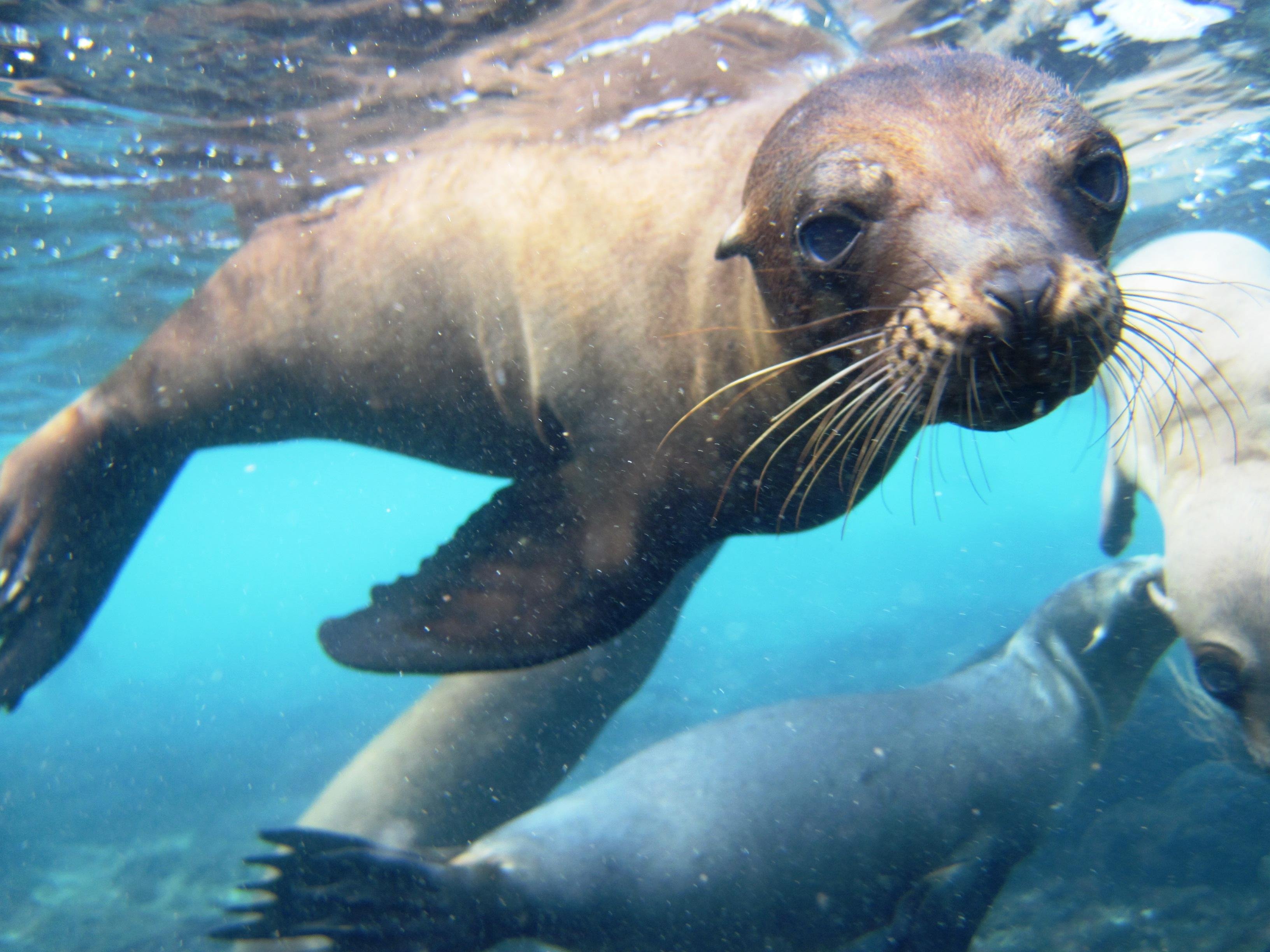
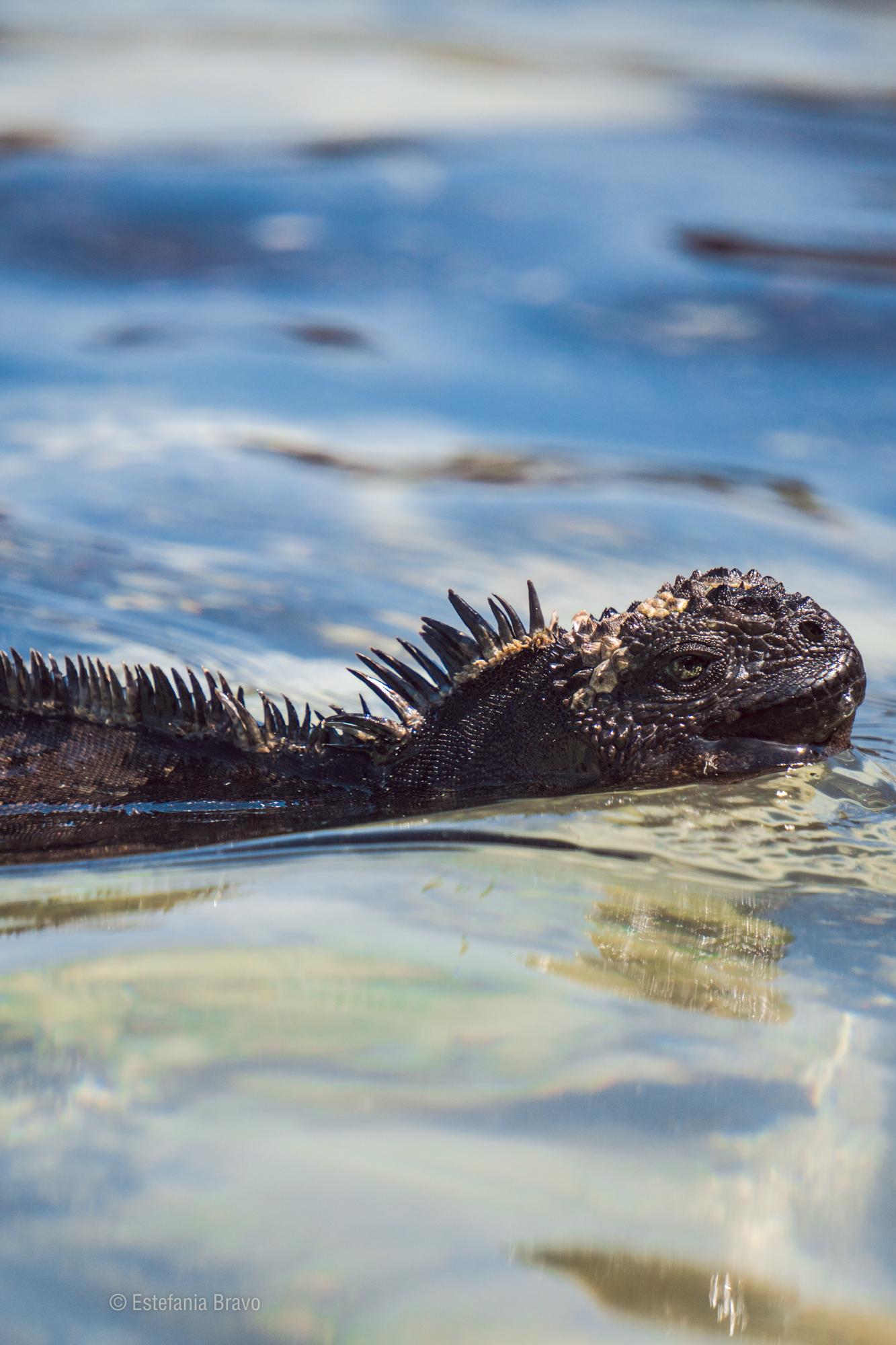
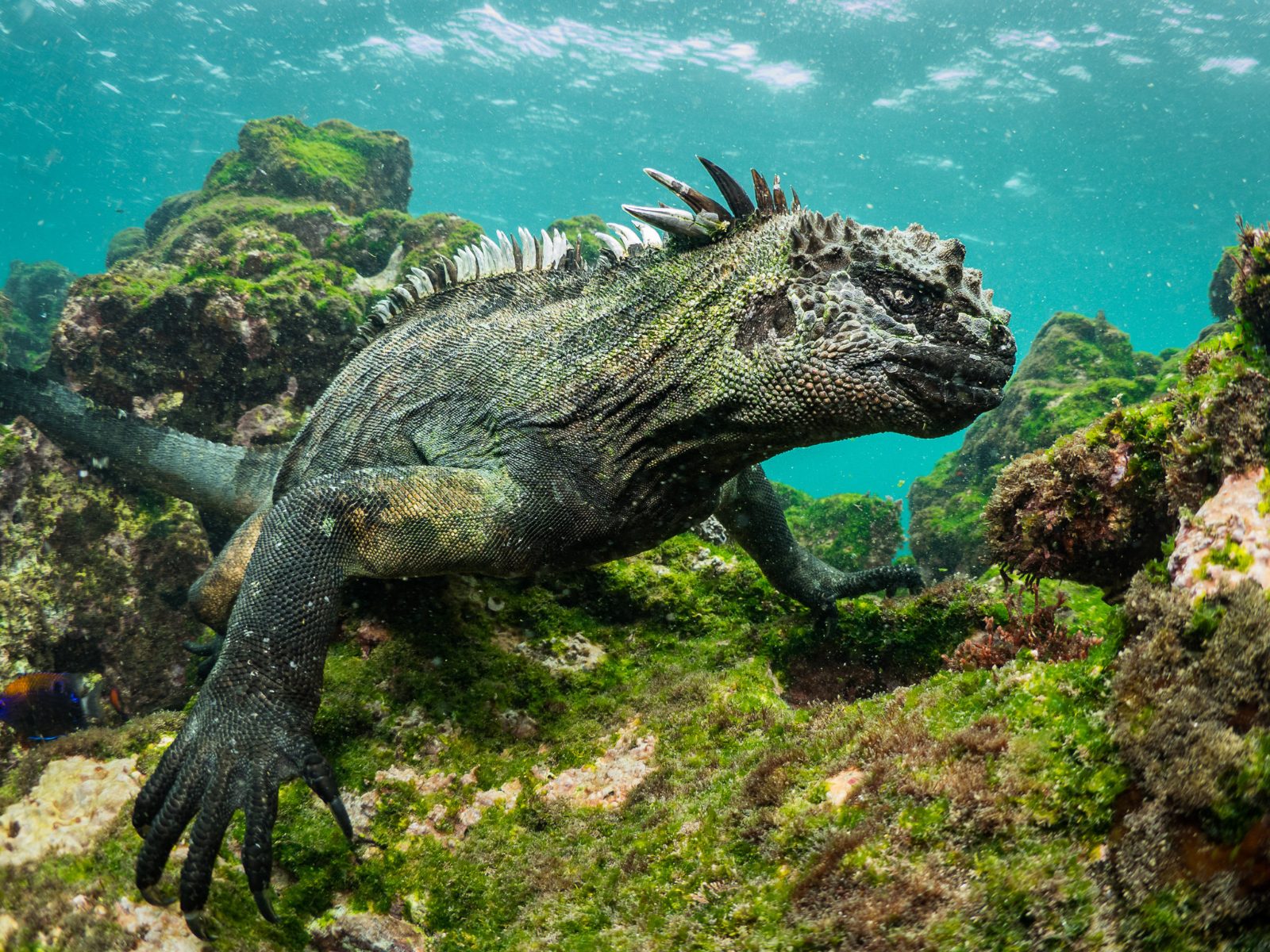
Galapagos diving tours deliver access to marine biodiversity found nowhere else on Earth—hammerhead shark schools, marine iguanas foraging underwater, and playful sea lions—justifying the premium over standard snorkeling. While the bookable options on this page focus on surface snorkeling at sites like Kicker Rock and Los Túneles, dedicated scuba expeditions (booked through specialized liveaboard operators) run $3,500–$6,000 for week-long itineraries, excluding the 200 USD conservation fee paid at arrival. That cost reflects small group sizes, remote site access, and the Galápagos Marine Reserve's strict permitting. For advanced divers targeting pelagic species and deep walls, the investment pays off; the underwater encounter density is unmatched globally. Casual snorkelers gain 80% of the marine spectacle through day tours at a fraction of the cost, making full scuba logistics worthwhile primarily for experienced divers with specific bucket-list species in mind.
Bottom line: Book scuba-focused Galapagos diving tours if you're a certified diver chasing hammerheads and endemic pelagics; otherwise, snorkeling day trips deliver the marine magic at a tenth the cost.
These activities complement each other; most visitors who do both find the scuba-focused galapagos diving tours more exhilarating for deep-water pelagic encounters, while snorkeling offers unrivaled accessibility.
|
Top pick Galapagos Diving Tours |
Galapagos Snorkeling | |
|---|---|---|
| Certification Required | Required (Open Water) | No certification needed |
| Age Minimum | 15 years old | No formal age limit |
| Skill Level | Intermediate/Advanced | All skill levels |
| Marine Life Focus | Hammerheads/Deep pelagics | Sea lions/Reef species |
| Equipment Provided | Full gear/7mm suit | Mask/fins/snorkel/vest |
| Daily Availability | Scheduled boat departures | Daily from cruises/shores |
| See tickets & prices |
Verdict: Choose a dedicated scuba galapagos diving tours tour if you are a certified, experienced diver seeking advanced conditions, or opt for snorkeling for an inclusive, family-friendly way to enjoy the marine life.
Hand-picked experiences loved by thousands of travelers
9 hours
Free Cancellation
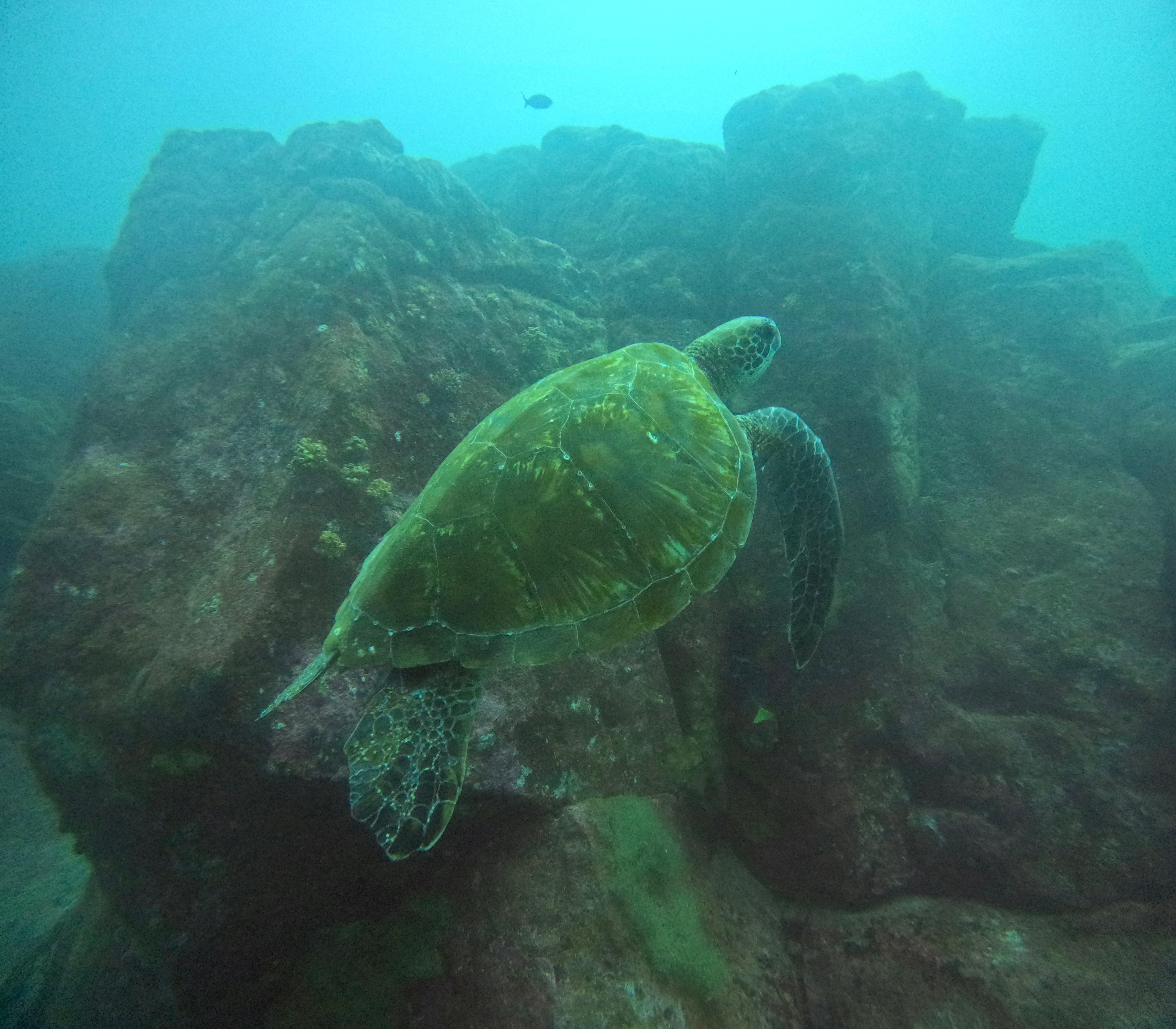
Circle the entire island by boat, snorkeling with sharks and turtles at three stunning locations
5 hours
Free Cancellation
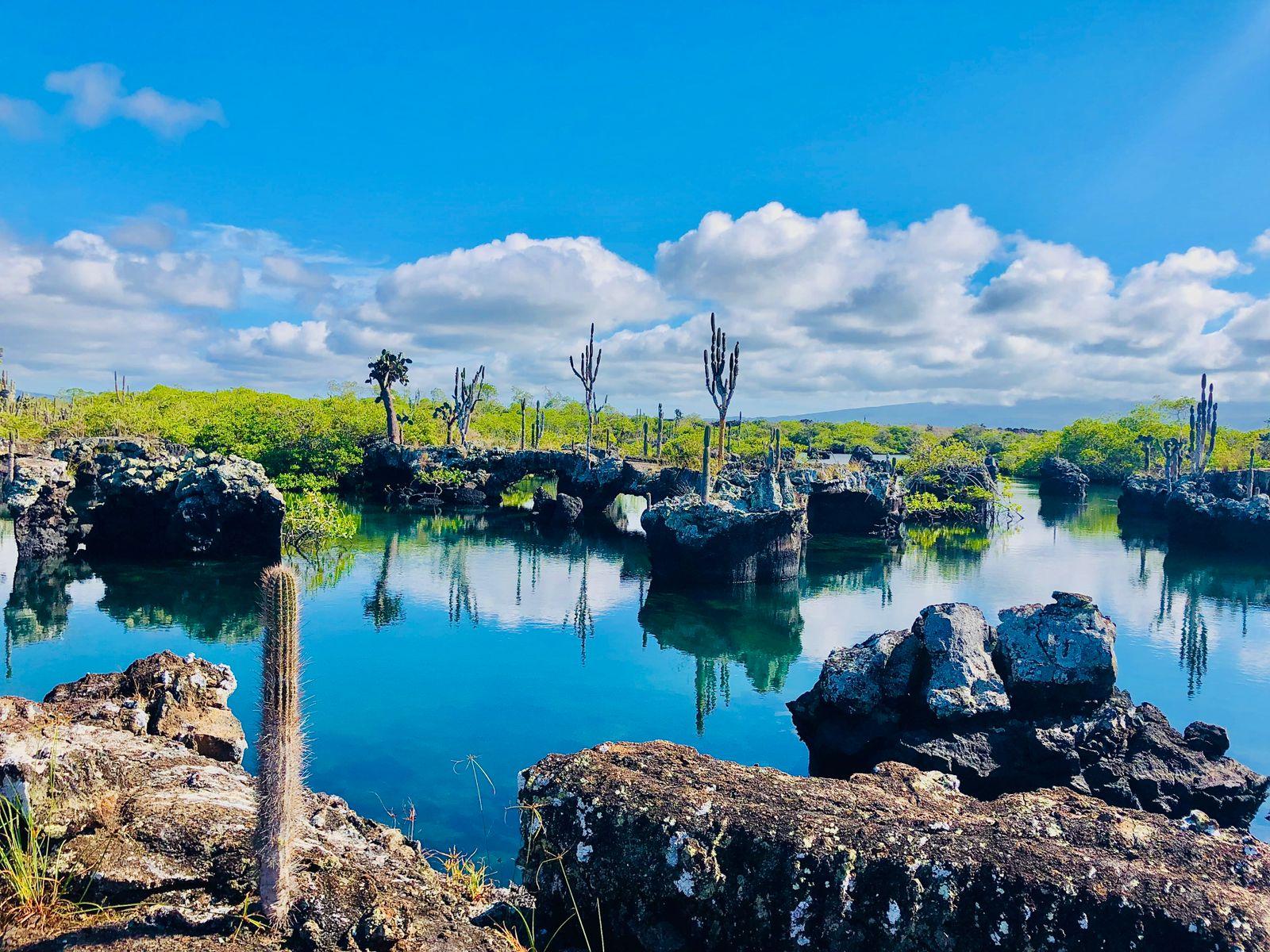
Swim through volcanic lava tunnels with sea turtles, rays, and penguins in crystal-clear Galápagos waters
6 hours
Free Cancellation
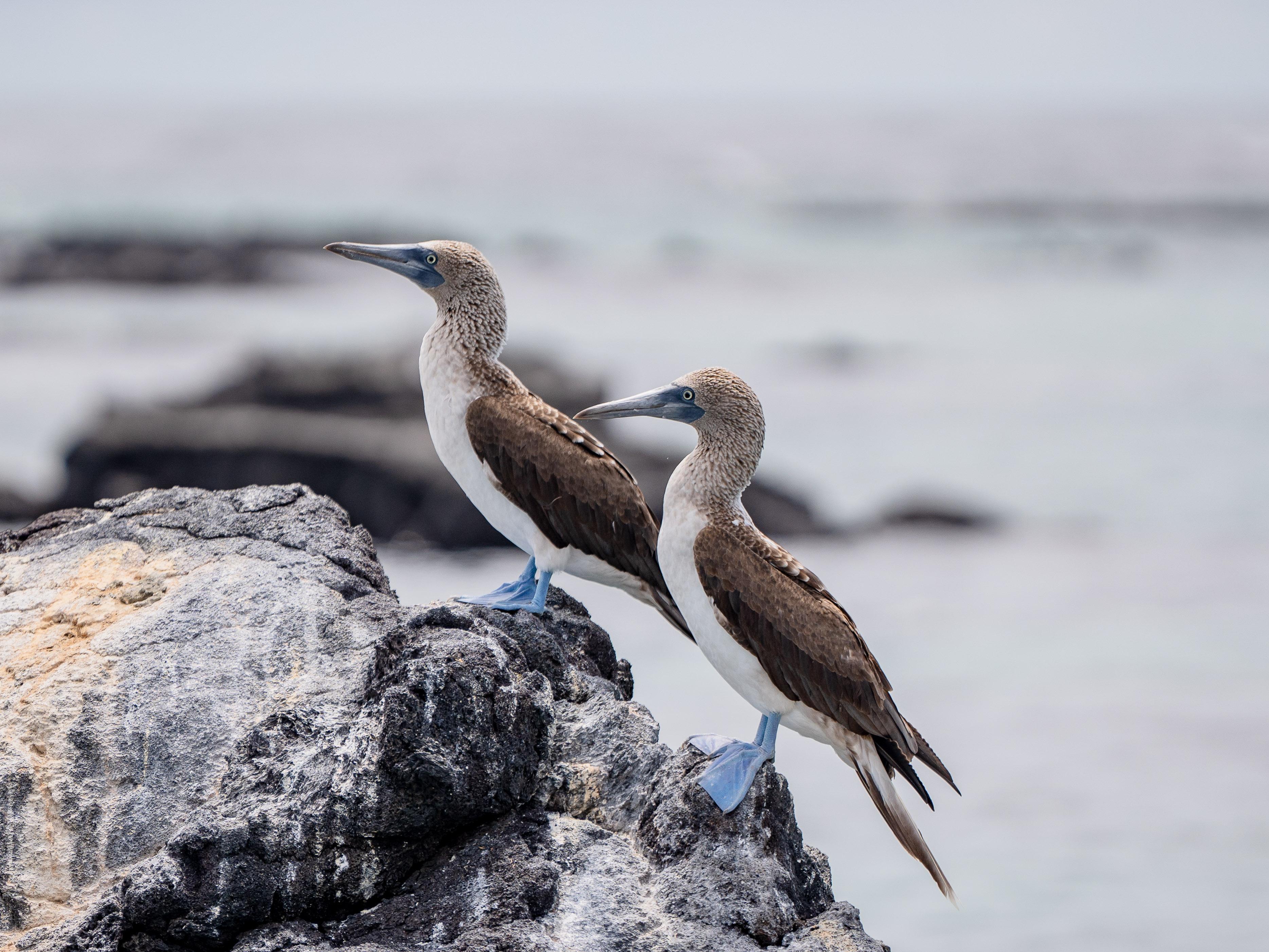
Full-day marine expedition through volcanic tunnels with sharks, sea turtles, penguins, and iconic blue-footed boobies
8 hours
Free Cancellation
Experience underwater magic with sea lions, sharks, and turtles on this guided diving and snorkeling day trip
6 hours
Free Cancellation
Discover legendary dive sites around the Galápagos with professional instruction and full gear included
7 hours
Free Cancellation
Explore the legendary volcanic channel with two guided dives, encountering sharks, rays, and turtles
1 day
Free Cancellation
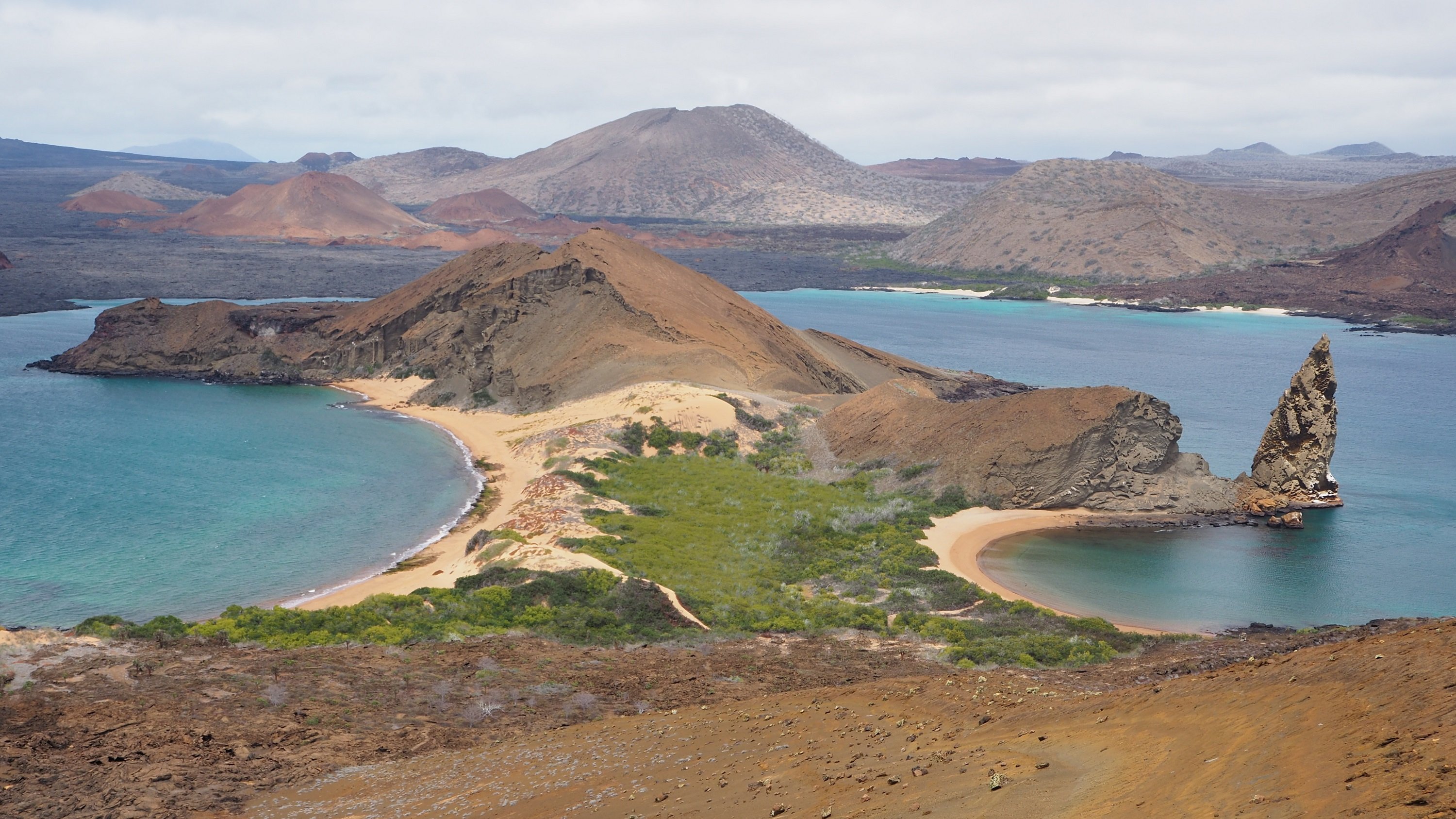
Discover volcanic landscapes, snorkel with penguins, and witness iconic Pinnacle Rock on this full-day Galápagos expedition.
2 hours 30 minutes
Free Cancellation
Dive into the Galápagos after dark and witness octopuses, bioluminescence, and nocturnal marine life.
Registration with authorized boat operators
Marine safety and itinerary overview
Guided underwater exploration of volcanic reefs
Wildlife observation between submerged activities
Secondary deep-water site engagement
Remote volcanic outposts offering sightings of schooling hammerhead sharks and whales. These northern islands represent the most sought-after destination for professional galapagos diving tours.
A world-renowned volcanic formation known for strong currents and abundant marine megafauna. It remains a highlight of local galapagos diving tours for its high concentration of Galapagos sharks.
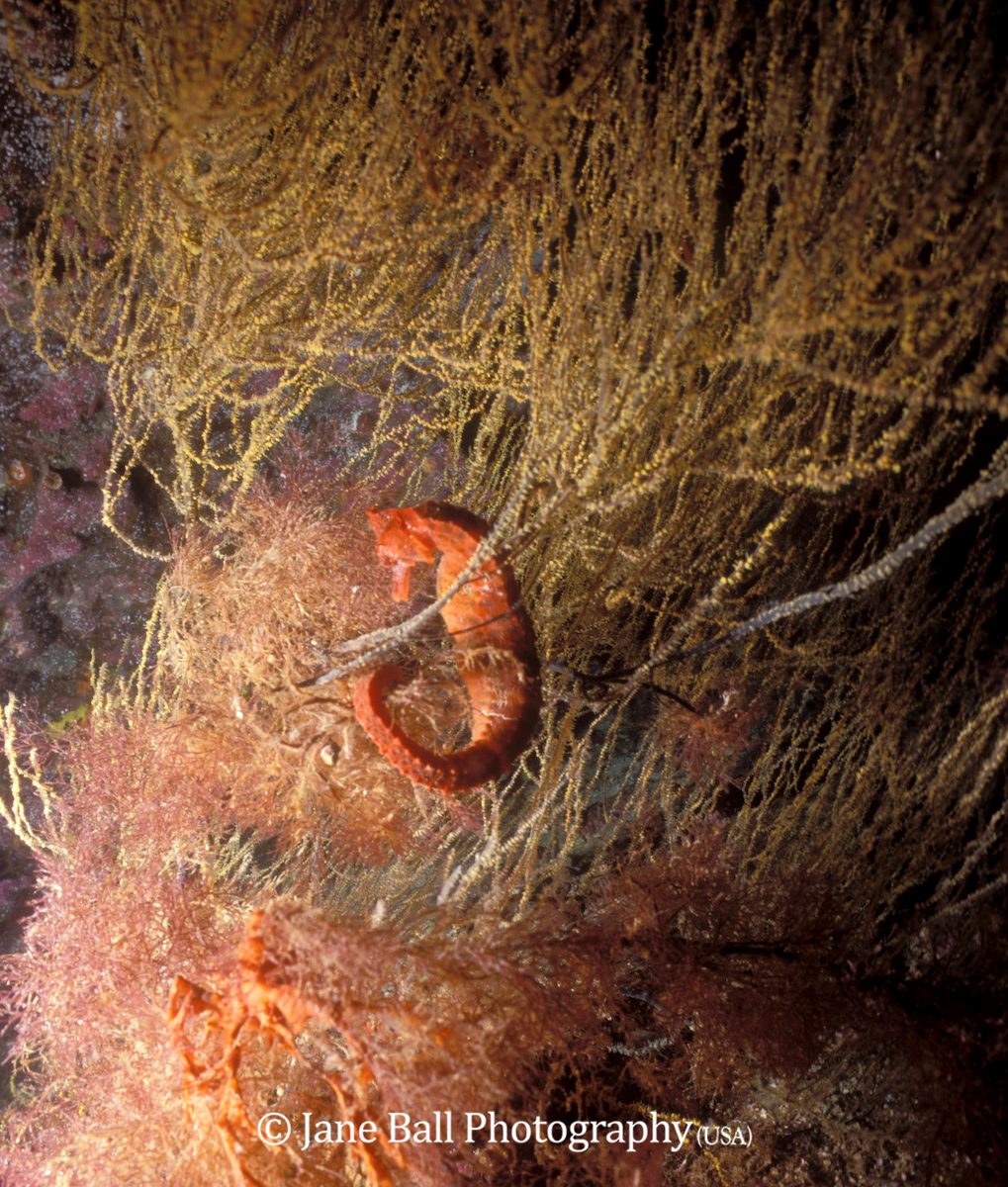
This site features a sloping wall covered in endemic black coral and sponges. It is a frequent location for galapagos diving tours to spot seahorses and rays.
The dramatic remains of a volcanic cone rising from the sea floor providing a vertical reef environment. It is a staple landmark for varied marine life sightings.
An eroded volcanic crater providing a nutrient-rich environment for diverse reef fish and white-tip reef sharks. Ideal for intermediate divers on galapagos diving tours.
You board the dive skiff at dawn, wetsuit already damp from yesterday's four-tank profile. The ride to Gordon Rocks takes 90 minutes, the inflatable pounding through chop as frigate birds track your wake.
Your guide briefs the entry — negative descent to 24 metres, hold the lee side of the channel, watch for down-current at the saddle. You giant-stride backward, purge your regulator, and drop through the thermocline into 18-degree water. Visibility opens to 15 metres. A school of 40 hammerheads drifts past the canyon wall, their bodies tilting in formation as the current shifts.
You fin along the collapsed caldera rim, your computer logging 62 minutes of bottom time across two dives. Between rotations you surface in the center basin, where sea lions porpoise through the surge and your guide pours hot chocolate from a thermos. The second descent brings you to a cleaning station at 16 metres — a subadult manta ray hovers motionless while king angelfish work its gills. Your air reaches 50 bar. You ascend along the anchor line, complete a three-minute safety stop at five metres, and break the surface 400 metres downcurrent from the skiff. The crew hauls you aboard by your tank valve. Your logbook will record two dives, 1,840 PSI consumed, one manta, one marine iguana grazing rockweed at the mooring block.
All the details about your upcoming adventure in one place
The Galápagos Marine Reserve protects 133,000 square kilometres of ocean where three major currents converge, creating nutrient upwellings that support the densest congregation of pelagic megafauna in the eastern Pacific.
Wolf and Darwin islands, 160 nautical miles northwest of the main archipelago, host the world's largest recorded aggregation of scuba-observed hammerhead sharks — schools exceeding 500 individuals documented during seasonal peaks between June and November. These remote seamounts rise from abyssal depths exceeding 3,000 metres, their submerged flanks swept by currents that deliver plankton-rich water and the migratory species that follow.
Galapagos diving tours require Advanced Open Water certification minimum, with most operators recommending 50 logged dives before attempting the northern sites. Gordon Rocks, an eroded volcanic caldera 90 minutes northeast of Santa Cruz, serves as the training ground — its central channel funnels tidal surge through a collapsed crater where whitetip reef sharks, eagle rays, and Galápagos sea lions patrol the thermocline at 18 metres. Water temperature ranges from 16°C during the garúa season (June–November) to 24°C in the warm months (December–May), with visibility fluctuating between 8 and 30 metres depending on plankton density and current phase.
Liveaboard vessels dominate the advanced scuba market, operating 7- to 10-day itineraries that reach Wolf and Darwin via overnight crossings through open ocean. Day-trip dive operators based in Puerto Ayora and San Cristóbal service intermediate sites including Cousins Rock, North Seymour, and Punta Carrión, where marine iguanas graze algae beds at 12 metres and manta rays circle the blue. The Galápagos National Park enforces a strict permit system limiting dive groups to 12 divers per guide, with mandatory surface intervals and depth limits calibrated to altitude and multi-dive profiles. Conservation fees collected at Baltra and San Cristóbal airports fund patrol vessels that monitor the marine reserve's outer boundaries, where illegal long-line fishing remains a persistent enforcement challenge despite UNESCO World Heritage designation.

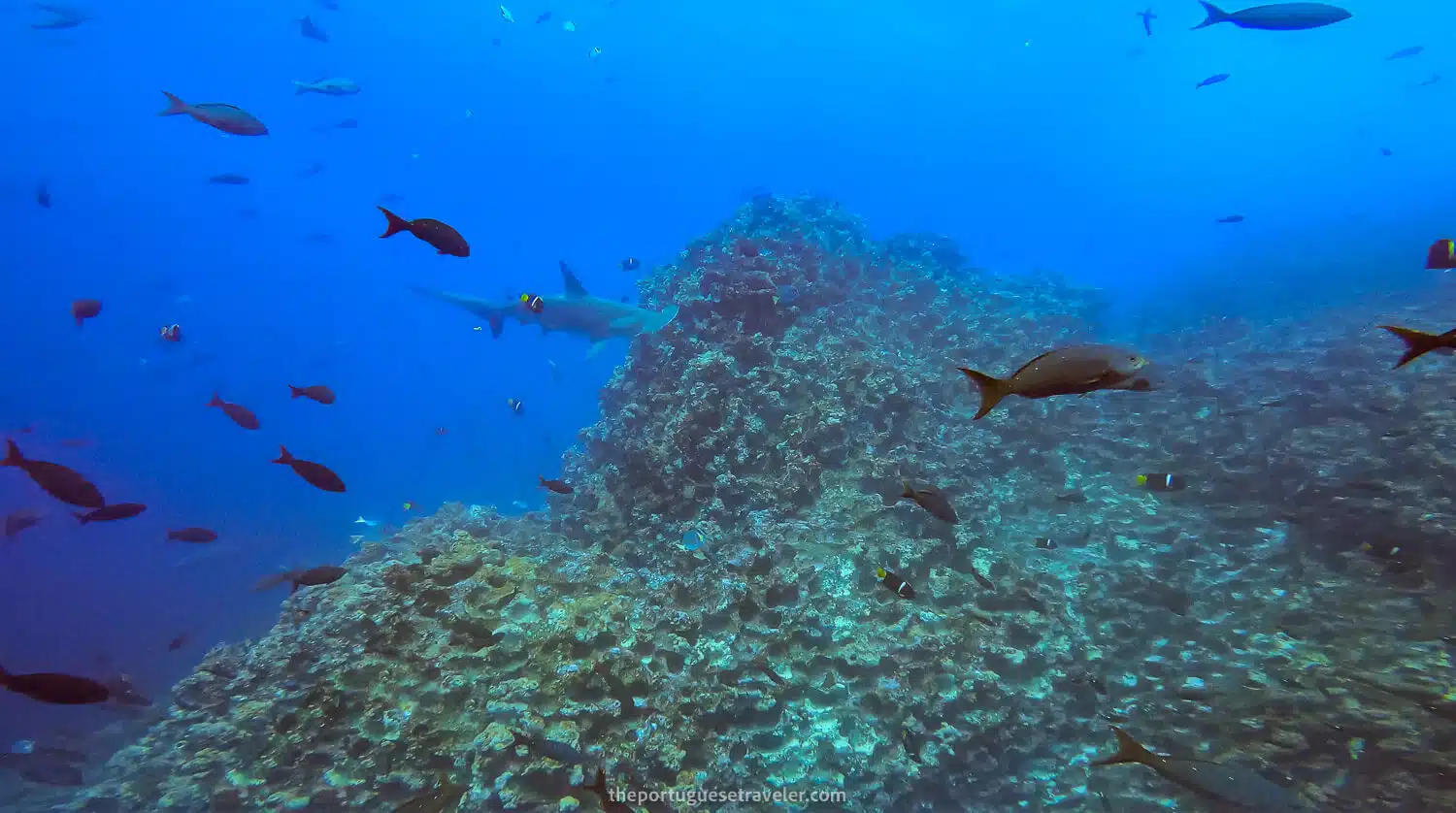
Wolf and Darwin host the world's largest recorded aggregation of scuba-observed hammerhead sharks.
Divers should wear appropriate thermal protection such as 5mm to 7mm wetsuits due to Humboldt Current temperatures. Surface intervals require wind-resistant gear for galapagos diving tours.
Divers must secure equipment in designated areas provided by the dive operator. All gear for galapagos diving tours is subject to inspection by park authorities.
Underwater photography is permitted, though using flash near protected marine species is restricted. Please consult your guide during galapagos diving tours regarding specific zone regulations.
Minimum age requirements for scuba activities are typically 12 years old. Families participating in surface snorkeling during galapagos diving tours must adhere to supervised group zones.
Advanced scuba excursions require valid certification and physical fitness. Some sites utilized for galapagos diving tours involve currents that necessitate high proficiency.
Meals are provided by the vessel operator during multi-day excursions. Hydration is essential while participating in active galapagos diving tours.
Operating Hours
00:00–23:59
Address
Galapagos National Park, Galapagos Islands, Ecuador
Accessibility
Varies by vessel and site
Arrival
06:00–18:00
Storage
Check with local dive operators
Navigation
Accessible via registered boat
Boat · Variable · Included in tour package
Primary transport between islands
Taxi · 15–30 mins · Variable cost
Land transfers to departure ports
Operators typically require 30 days notice for a full refund of galapagos diving tours. Fees associated with the 200 USD conservation fee are non-refundable once paid at the airport.
Recommended time
Full day
To experience the marine biodiversity fully, plan for a full day as most galapagos diving tours require significant transit time to reach remote offshore sites. Scuba enthusiasts should prioritize early departures to maximize bottom time between surface intervals, as booking galapagos diving tours tour options often necessitates this dedicated schedule. When securing your galapagos diving tours tickets, ensure your itinerary accounts for current-heavy environments where vessel proximity regulates daily crowd flow.
Crowd levels through the day
Weather · crowds · average price — dots go green to amber to red as each metric rises.
Cooler waters attract whale sharks and mantas during these months. Currents are stronger, ideal for seasoned divers.
Warmer surface temperatures and calmer seas favor visibility. Excellent for general reef exploration and marine life sightings.
Ensure you carry your physical diving certification card. Operators cannot allow dives without proof of training.
Secure your space months in advance. Availability for galapagos diving tours tickets is limited by strict park quotas.
Organized galapagos diving tours began in 1970 when the Ecuadorian government declared 97 percent of the archipelago a national park, restricting human settlement and establishing the first conservation framework. Early expeditions attracted marine biologists and documentary crews rather than recreational tourists; Jacques Cousteau's 1971 film aboard Calypso introduced global audiences to hammerhead schools at Darwin and Wolf islands. The Galapagos National Park Service formalized dive-site zoning in 1974, limiting daily vessel counts and establishing mandatory naturalist-guide ratios that remain in force today. Commercial liveaboard operations emerged in 1978 when the Ecuadorian Navy granted the first multi-day diving permits to foreign-flagged vessels. By 1982 three dedicated dive boats operated year-round itineraries between the central islands and the remote northern sites, charging approximately 1,200 USD per week when the average Ecuadorian monthly wage stood at 180 USD. The 1983 El Niño event decimated coral coverage and triggered the first temporary closure of Wolf and Darwin, a precedent invoked again during the 1997-98 warming cycle. UNESCO inscribed the Marine Reserve as a World Heritage Site in 2001, expanding protected waters to 133,000 square kilometers and imposing stricter penalties for illegal fishing within dive corridors. The 2007 establishment of the Galapagos Marine Reserve Management Plan introduced the current permit system, capping liveaboard diving tours at sixteen simultaneously operating vessels and requiring captains to file daily GPS logs. Shark-finning arrests in 2017 near Darwin Arch prompted the Ecuadorian government to deploy satellite monitoring and increase ranger patrols, reducing poaching incidents by 60 percent within two years. Today the 200 USD conservation fee funds patrol boats and marine research, while galapagos diving tours tickets include mandatory insurance and park briefings administered at Baltra and San Cristóbal airports.
Galapagos National Park established, restricting 97 percent of land and initiating marine protection.
Cousteau's Calypso expedition films hammerhead aggregations at Darwin Island, attracting global attention.
First commercial liveaboard dive permits issued by Ecuadorian Navy for multi-day expeditions.
El Niño event triggers temporary closure of northern dive sites due to coral bleaching.
UNESCO designates Galapagos Marine Reserve a World Heritage Site, expanding protections to 133,000 km².
Marine Reserve Management Plan caps liveaboard vessels at sixteen and mandates GPS tracking.
Shark-finning arrests prompt satellite surveillance rollout, reducing poaching by 60 percent within two years.
Position yourself in the deep channel between the two vertical lava formations to capture silhouetted scalloped hammerhead sharks. This site remains a highlight for those booking galapagos diving tours to photograph large pelagic species in blue water.
Frame the iconic rock formation from below as whale sharks and schooling jacks move through the strong current. Divers should maintain buoyancy control near the reef base to secure clear shots of these marine giants.
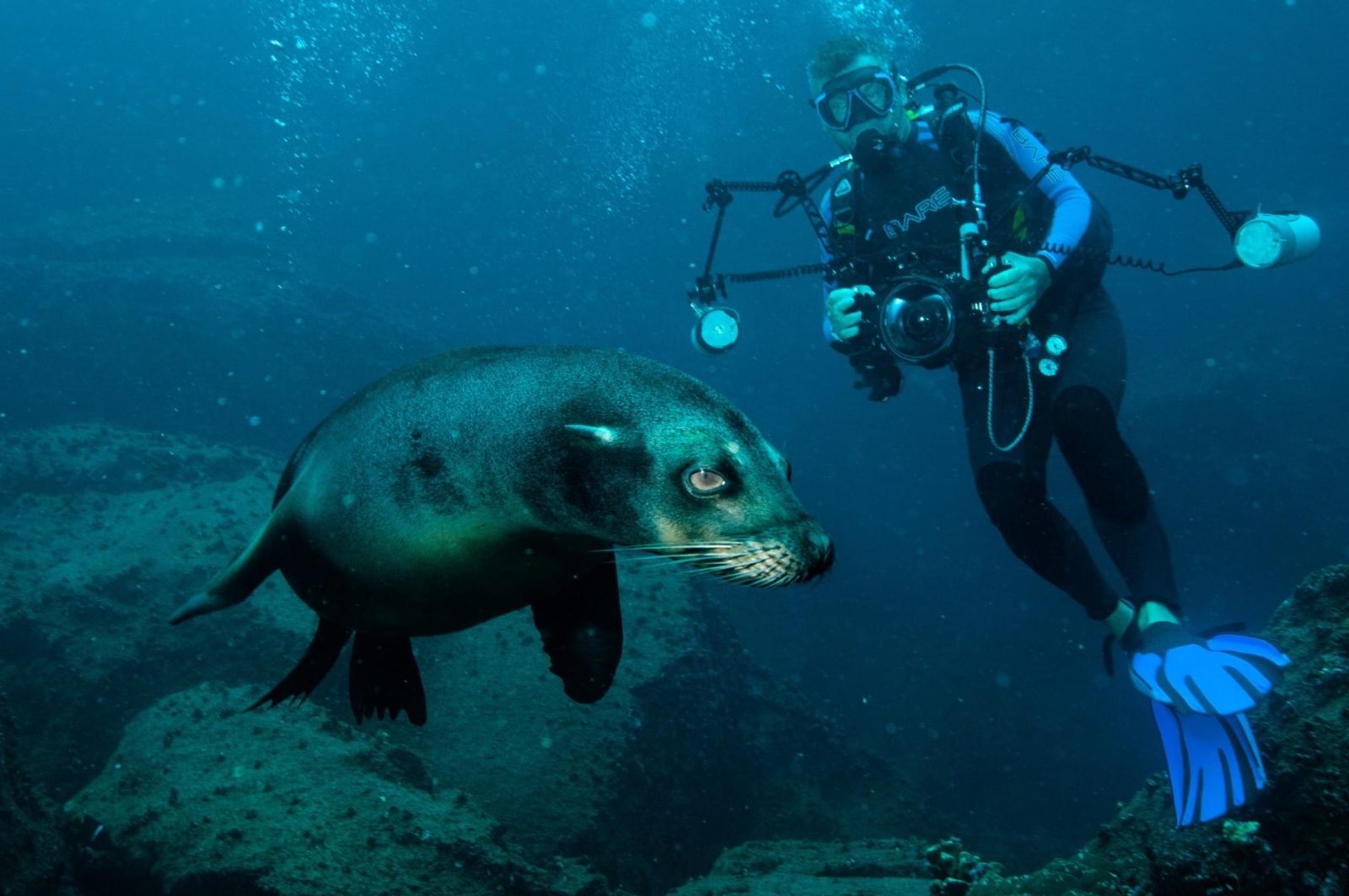
Navigate the shallow cave entrances to photograph sea lions interacting with sunlight beams piercing through volcanic crevices. These galapagos diving tours tours often require advanced skills to stabilize in surge while capturing the interior textures.
Center your composition on the crater walls where eagle rays and reef sharks congregate in the high-energy flow. Photographers utilizing these galapagos diving tours tour packages often rely on wide-angle lenses to encompass the scale of the underwater topography.
Focus on the unique black coral forests and seahorses clinging to the submerged lava shelves. This location offers macro opportunities for those holding galapagos diving tours tickets to explore the varied eastern archipelago reefs.
Planning for galapagos diving tours requires careful consideration of marine activity levels to ensure comfort for all family members. Balancing high-intensity scuba excursions with surface-level snorkeling helps accommodate diverse age ranges and experience levels.
Most operators require a minimum age of 10 for introductory scuba, while snorkeling allows younger children to explore the marine biodiversity alongside their parents
Full-day sea excursions involve extended periods on the water, so confirm that your galapagos diving tours tour includes shaded deck areas and cabin space for rest
Rent specialized child-sized wetsuits and masks in advance to ensure proper gear fit for surface swimming during your galapagos diving tours tours
Galapagos National Park is largely natural terrain, so expect uneven surfaces at landings and prepare for boat-to-shore transfers that may require carrying small children
Always carry your Galapagos diving tours tickets and passports securely in waterproof bags, as these are required for park transit and vessel boarding.
Visitors planning for galapagos diving tours often find that the best dining options are located in the nearby port towns of Santa Cruz and San Cristobal, where local eateries cater to the specific caloric needs of scuba enthusiasts. While planning your next galapagos diving tours tour, consider grabbing a quick meal at these nearby spots before heading to the Galapagos National Park, located at Galapagos Islands, Ecuador.
This popular spot offers fresh seafood and hearty pasta dishes that serve as excellent fuel for divers. It is frequently crowded during lunch as groups prepare for their galapagos diving tours tickets.
Everything you need to know for your journey
The conservation fee is 200 USD per foreign adult. This fee must be paid in cash at the airport.
Most galapagos diving tours require at least an Advanced Open Water certification due to currents. Snorkeling options may be available for beginners.
You can book galapagos diving tours tickets through authorized tour operators online or in person at local agencies.
Yes, you can bring your own gear for galapagos diving tours, but it must be inspected for invasive species.
Photography is allowed, but using flash near wildlife is restricted during galapagos diving tours to protect the fauna.
The 200 USD fee is a mandatory conservation fee per foreign adult for Galapagos National Park maintenance.
The galapagos diving tours are led by certified professionals who follow strict safety and environmental protocols.
Arrive between 06:00–18:00 to align with standard boat departure schedules for your galapagos diving tours.
Yes, comprehensive travel and diving insurance is strongly recommended for all galapagos diving tours.
Center for conservation education and tortoise breeding.
Coastal area with distinct ecosystems and beach trails.
Cleft in volcanic rock filled with clear water.
Eco-focused stay near maritime access points
Convenient lodging for morning boat departures
Join thousands of happy travelers who have discovered this incredible experience
Book Your Experience Now