

Quick answer
Yes, snorkeling in the Galápagos is safe when you follow park guidelines and respect wildlife boundaries. The marine reserve maintains strict protocols to protect both visitors and endemic species. Most incidents stem from inadequate swimming ability, ignoring naturalist instructions, or attempting to touch marine life. Water temperatures range from 65°F to 77°F depending on season and current, and visibility typically spans 30 to 60 feet in protected sites.
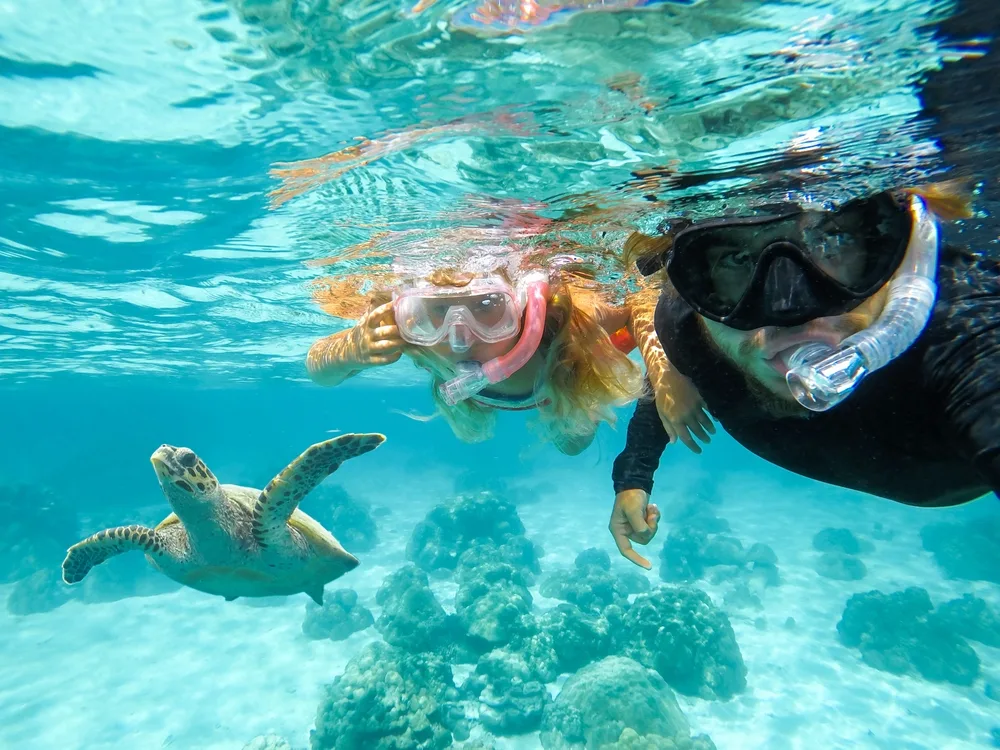
Sea lions account for the majority of wildlife interaction concerns in Galápagos waters. Bulls establish territories during breeding periods and may approach snorkelers with aggressive posturing—head shaking, jaw gaping, or direct charges. Park naturalists brief visitors on recognition signals and retreat protocols before every water entry. The marine reserve enforces a six-foot minimum distance from all wildlife, though curious juveniles often close the gap themselves. Ocean conditions vary dramatically by site and season. The Humboldt Current brings nutrient-rich cold water from June through November, dropping surface temperatures to 65°F and creating thermoclines that disorient inexperienced swimmers. Garúa mist reduces visibility during these months. December through May sees calmer, warmer water as the Panama Current dominates, with temperatures reaching 77°F and clearer conditions. Surge and swell remain present year-round at exposed sites like Devil's Crown and Kicker Rock, where currents demand strong swimming capability. The Galápagos National Park requires all snorkeling excursions to include a certified naturalist guide. These guides assess conditions before entry, brief participants on marine life behavior, and monitor the group throughout the activity. They carry first-aid equipment and maintain radio contact with vessel support. Sites rotate based on wildlife activity—if hammerhead aggregations or mating sea turtles occupy a location, the park closes it to minimize disturbance. Rip currents and down-currents present the primary environmental hazard. Channels between islands funnel tidal exchange, creating localized flows that exceed swimming speed. Guides select entry and exit points to work with current direction rather than against it. Surface intervals between dives prevent exhaustion, and buddy systems ensure no swimmer separates from the group. The marine reserve prohibits solo snorkeling—all water activity requires guide supervision and group accountability.
“The marine reserve enforces a six-foot minimum distance from all wildlife, though curious juveniles often close the gap themselves.”
Is It Safe to Snorkel in the Galapagos: Rules and Conduct
Galápagos National Park enforces strict conduct rules to protect one of the world's most sensitive marine ecosystems. Following these guidelines ensures your safety and preserves the fragile balance between wildlife and visitors.
Do
- Maintain a minimum 2-meter distance from all marine life
- Follow your certified guide's instructions at all times
- Stay within designated snorkeling zones marked by your tour
- Report any distressed or injured animals to park staff immediately
- Keep your movements slow and deliberate to avoid startling wildlife
- Secure all personal items to prevent accidental loss in the water
Don't
- Never touch, chase, or attempt to feed any marine animals
- Don't use flash photography underwater near wildlife
- Avoid standing on or touching coral formations and rocks
- Don't separate from your group or swim outside marked boundaries
- Never collect shells, rocks, or any natural materials
- Don't wear sunscreen containing oxybenzone or octinoxate before entering the water
When Is It Safe to Snorkel in the Galapagos: Seasonal Conditions
The best window for snorkeling is the transition months of April, May, November, and December, which offer a balance of calm seas and comfortable water temperatures. During these periods, visibility is generally higher and surge is less frequent, creating favorable conditions for water-based activities.
Warm Season (Dec–May)
Moderate crowds24°C–28°C, calm, lower visibility
Warmer water temperatures make this season ideal for longer snorkeling sessions. Seas remain calmer with less surge during these months.
Cool Season (Jun–Nov)
Higher crowds18°C–23°C, choppy, higher nutrient levels
Stronger currents and cooler water occur due to the Humboldt Current. Marine life activity increases, though surface conditions can be more challenging.
Daily Mid-Morning
Variable—
Regardless of the season, late morning hours typically offer the most stable light conditions for underwater visibility. This period avoids the early morning mist and late afternoon wind chop.
Verdict: For the most stable conditions, plan visits during the transition months of April or November, focusing on mid-morning hours.
Operating Hours and Safe Arrival Windows to Snorkel in the Galapagos
The Galápagos National Park is open to visitors daily. While the park is accessible throughout the day, planning your arrival is essential for safety.
| Monday | 00:00–23:59 | |
|---|---|---|
| Tuesday | 00:00–23:59 | |
| Wednesday | 00:00–23:59 | |
| Thursday | 00:00–23:59 | |
| Friday | 00:00–23:59 | |
| Saturday | 00:00–23:59 | |
| Sunday | 00:00–23:59 |
Checklist to Ensure It Is Safe to Snorkel in the Galapagos
Proper preparation ensures a secure and rewarding snorkeling experience in these protected waters.
-
Confirm strong swimming ability — You must be comfortable in open water with currents and no shallow areas.
-
Book a guided snorkeling tour in advance — Licensed operators provide safety briefings, proper equipment, and know safe entry points.
-
Pack reef-safe sunscreen (mineral-based) — Chemical sunscreens damage marine ecosystems and are prohibited in the national park.
-
Bring or rent a wetsuit — Water temperatures range 66–77°F; thermal protection prevents hypothermia during extended snorkeling.
-
Verify your travel insurance covers snorkeling — Medical evacuation from remote sites is costly and standard policies may exclude water activities.
-
Arrange cash for the park entrance fee — Foreign adults pay 200 USD upon arrival, cards not accepted.
Check availability
Frequently Asked Questions About Snorkeling Safety in the Galapagos
Everything you need to know about is it safe to snorkel in the galapagos