

Quick answer
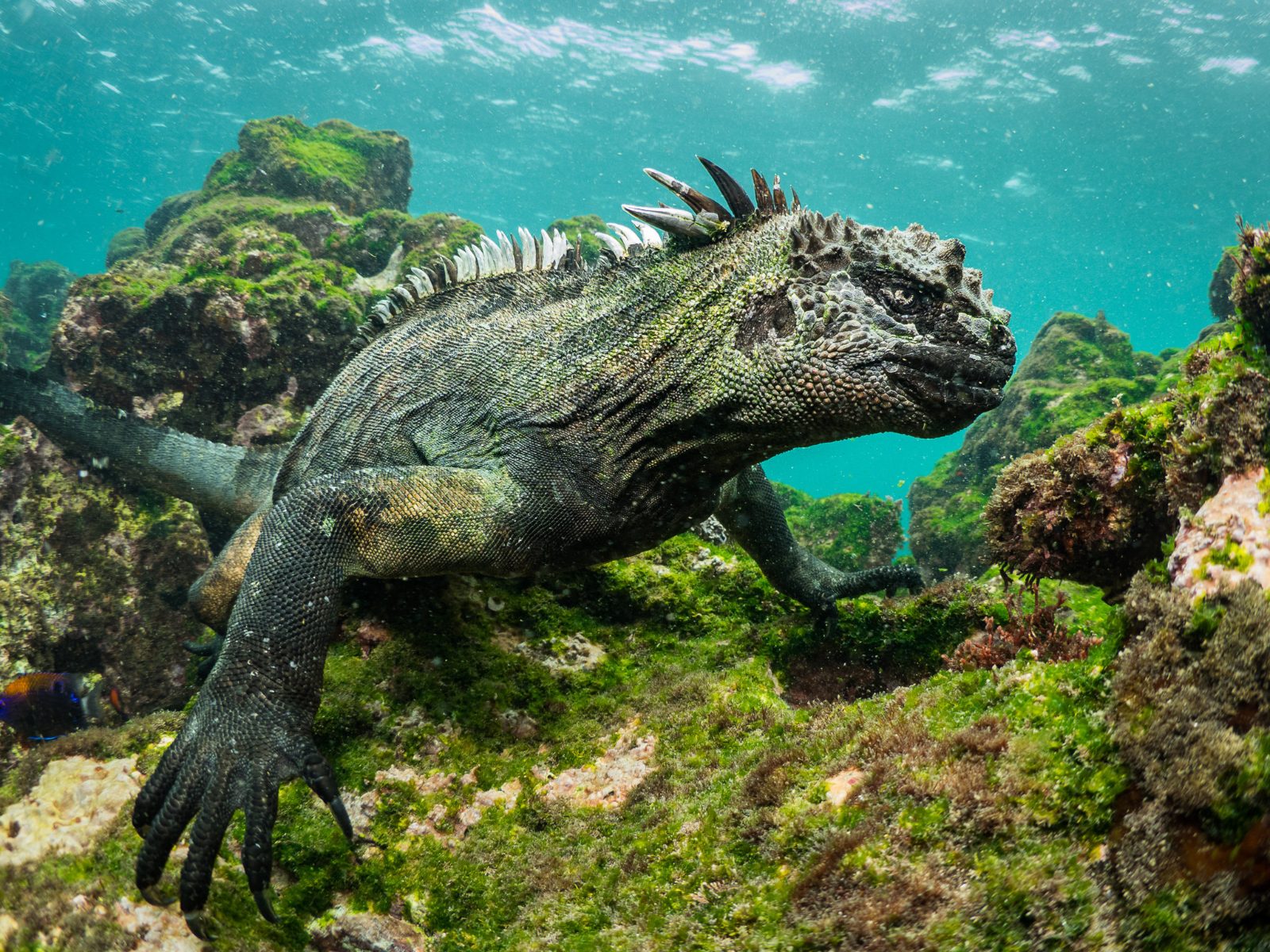
April is an excellent time to visit Galapagos. Water temperatures remain warm from the wet season (averaging 24-26°C), marine iguanas begin nesting, blue-footed boobies display courtship behavior, and visitor numbers drop after the March peak. You'll encounter calmer seas than later months and better underwater visibility for snorkeling. The trade-off: occasional afternoon showers still occur, though they're brief and localized.
The Galapagos archipelago operates on two primary seasons, and April marks the pivot between them. The warm season stretches from December through May, characterized by higher air temperatures, occasional rain, and warmer ocean currents. April falls at the tail end of this cycle, meaning you inherit the benefits—comfortable water for extended snorkeling sessions, lush green highlands—while the intensity of January and February heat subsides. Marine life responds directly to these seasonal shifts. Green sea turtles arrive to nest on eastern beaches. Flightless cormorants build nests on Fernandina and Isabela. Land iguanas on South Plaza Island display territorial behaviors as mating season begins. The water clarity improves compared to the wetter months of February and March, making April particularly strong for underwater encounters with sea lions, reef sharks, and schooling fish near Devil's Crown and Kicker Rock. Crowd dynamics shift noticeably after Easter, which typically falls in March or early April. Once the holiday window closes, daily visitor permits to popular sites like Tortuga Bay and the Charles Darwin Research Station become easier to secure. Liveaboard vessels and day-tour operators report lower booking rates in the second half of April, translating to more space on pangas and dive platforms. The Galapagos National Park maintains standard operating hours year-round—08:00 to 18:00 daily—so your daylight window remains consistent regardless of season. Practical considerations for an April visit center on flexibility. Pack both lightweight rain gear and sun protection. Morning departures from Puerto Ayora or Puerto Baquerizo Moreno tend to offer the calmest sea conditions, particularly important for reaching outer islands like Española or Genovesa. The $200 USD conservation fee applies at arrival, payable in cash at the airport on Baltra or San Cristóbal. April's transitional weather means you can experience both warm snorkeling conditions and the cooler, nutrient-rich waters that define the dry season—a combination that makes visiting Galapagos in April strategically valuable for travelers prioritizing marine biodiversity over guaranteed sunshine.
“April delivers warm snorkeling waters and nesting wildlife while visitor numbers retreat from their March peak.”
Is April a Good Time to Visit Galapagos Regarding Entrance Fees?
Entrance to the Galapagos National Park requires a mandatory conservation fee. This cost remains consistent throughout the year, including during the month of April.
Every foreign adult visitor pays a 200 USD conservation fee, and this rate does not fluctuate based on the month of your visit.
Logistics When Considering Is April a Good Time to Visit Galapagos
The Galapagos National Park is situated on Santa Cruz Island, Ecuador. Visitors typically reach the islands via flights to Seymour Airport (GPS) on Baltra Island, followed by a combination of bus and ferry transfers.
Baltra Island to Santa Cruz Island ferry
Airport shuttle to Itabaca Channel
Itabaca Channel to Puerto Ayora
Operational Hours for Visiting Galapagos in April
The Galapagos National Park maintains consistent operational hours throughout the week to facilitate visitor access. These hours apply daily, including during the month of April.
| Monday | 08:00–18:00 | |
|---|---|---|
| Tuesday | 08:00–18:00 | |
| Wednesday | 08:00–18:00 | |
| Thursday | 08:00–18:00 | |
| Friday | 08:00–18:00 | |
| Saturday | 08:00–18:00 | |
| Sunday | 08:00–18:00 |
Check availability
Frequently Asked Questions About Visiting the Galapagos in April
Everything you need to know about is april a good time to visit galapagos